
Wood floors · Hardwood · Parquet · Historic timber
Wood Floor Restoration in London
Restore the natural warmth and character of your wood floors with London Marble Stone. From local repairs and parquet care to sanding and a new finish, we help you choose a practical route for the floor you already have.
Prefer to talk? 07888 526686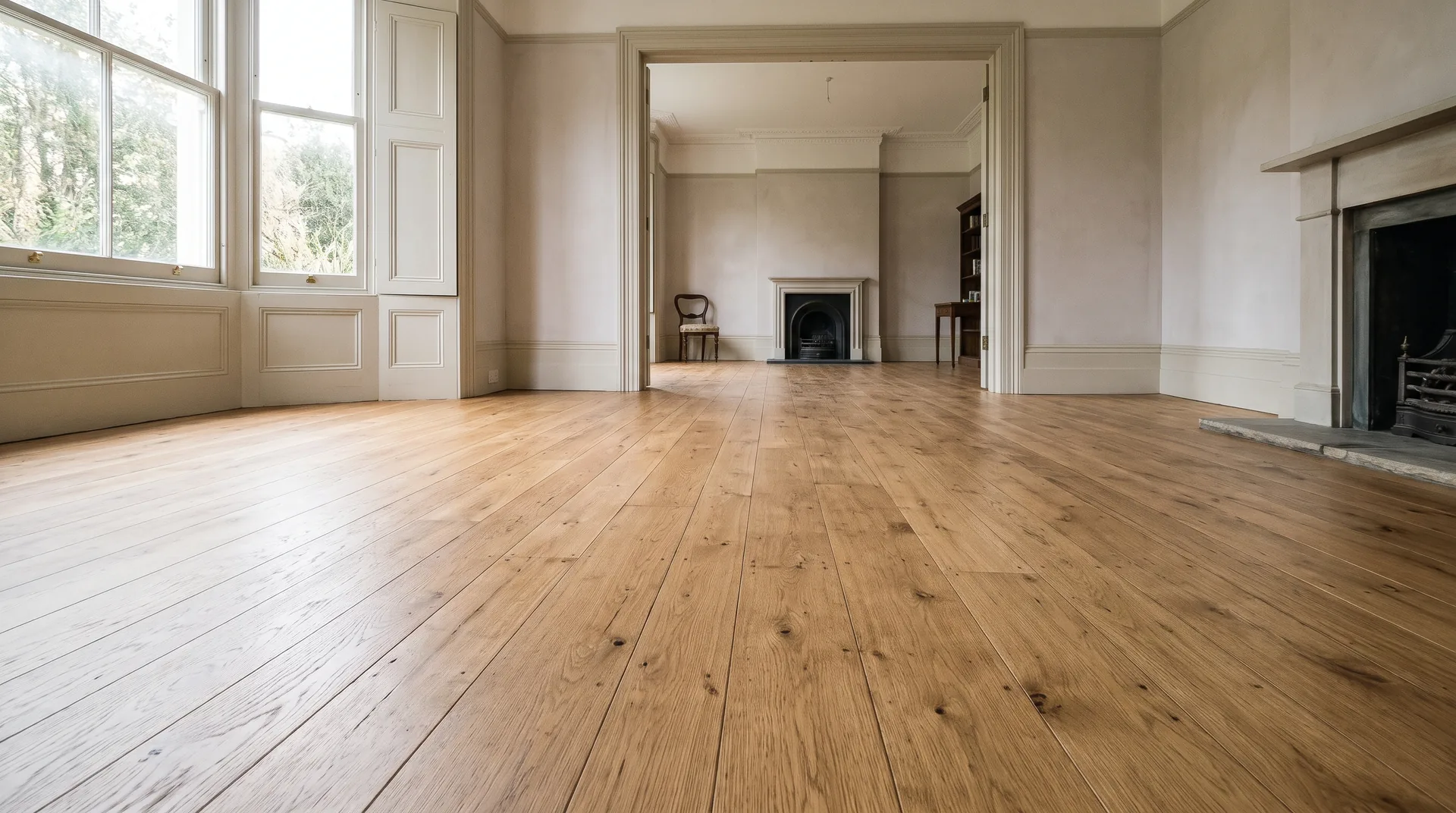
Find your service
What does your floor need?
Explore the problem or floor type below. If you are unsure, send a photo and we can help you choose the right assessment.
Wood Floor Sanding & Refinishing
Parquet Floor Restoration
Wood Floor Repair
Wood Floor Cleaning, Polishing & Recoating
Wood Floor Staining & Colour Refinishing
Engineered Wood Floor Restoration
Floorboard Restoration
Commercial Wood Floor Restoration
Hardwood Floor Restoration
Black Stained Wood Floor Restoration
Church Wood Floor Restoration
Heritage Hardwood Floor Restoration
Museum Wood Floor Restoration
Find the right treatment before replacing your floor
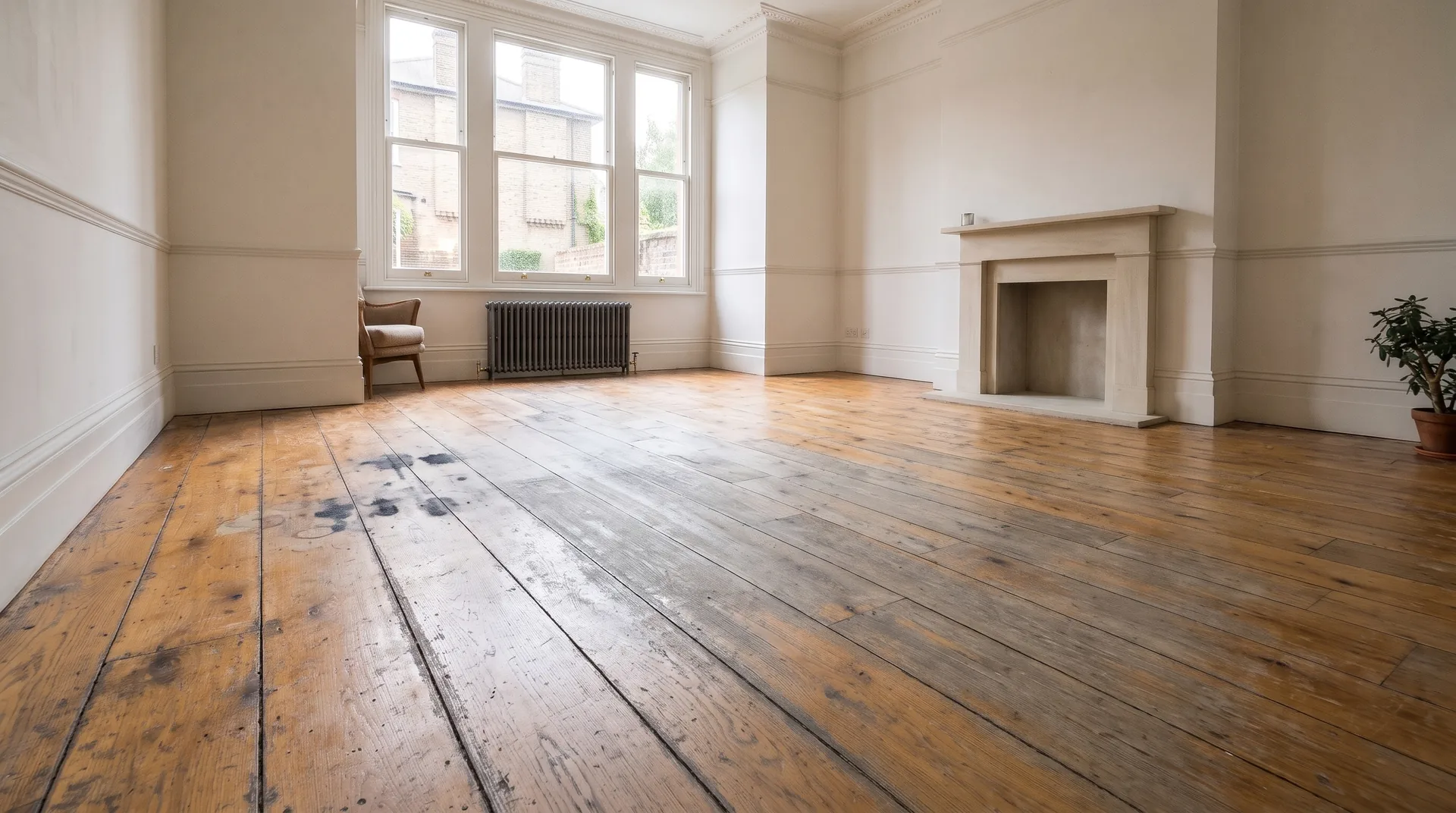
A wooden floor can look tired for different reasons. Surface residue, a worn coating, damaged boards and deep marks do not all need the same solution. We begin with the floor's condition and the result you want, then explain the practical options. If you are unsure whether your floor is solid wood, engineered or laminate, tell us; you do not need the technical answer before making an enquiry.
Choose the service that matches the problem
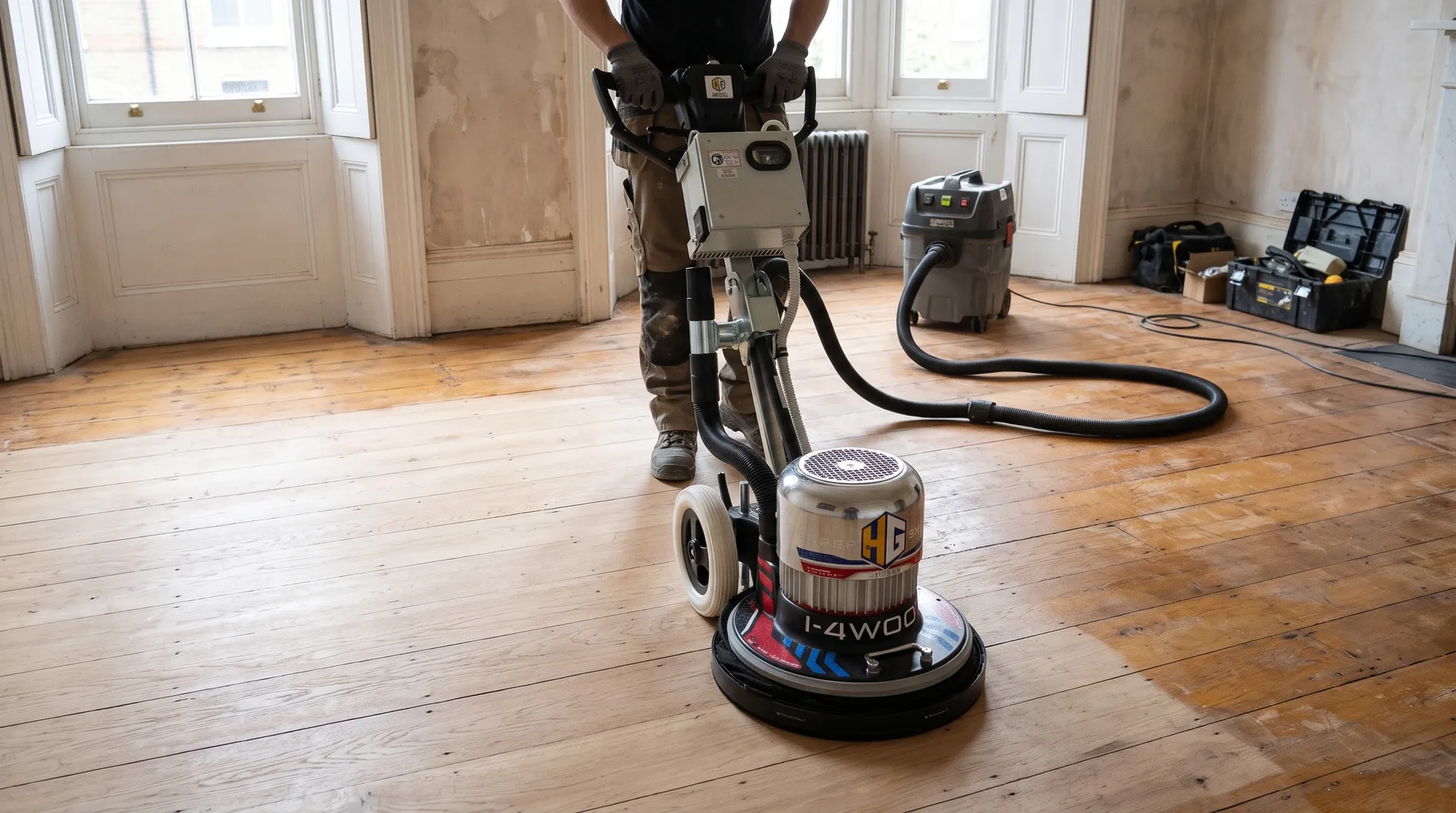
Explore sanding and refinishing for suitable floors with a worn finish; parquet restoration for patterned blocks and borders; and wood floor repairs for local defects. Cleaning and recoating focus on compatible surfaces with lighter wear. Colour staining, engineered-floor assessment and original floorboard restoration address more specific decisions. For a workplace or managed premises, our commercial service considers the operational brief alongside the floor.
For solid oak or walnut, explore hardwood restoration. Dark staining has its own assessment route. Churches, historic houses and museums need a brief that considers retained timber, specialist advice and the way the building is used.
A closer look at the finish
Explore the change in appearance
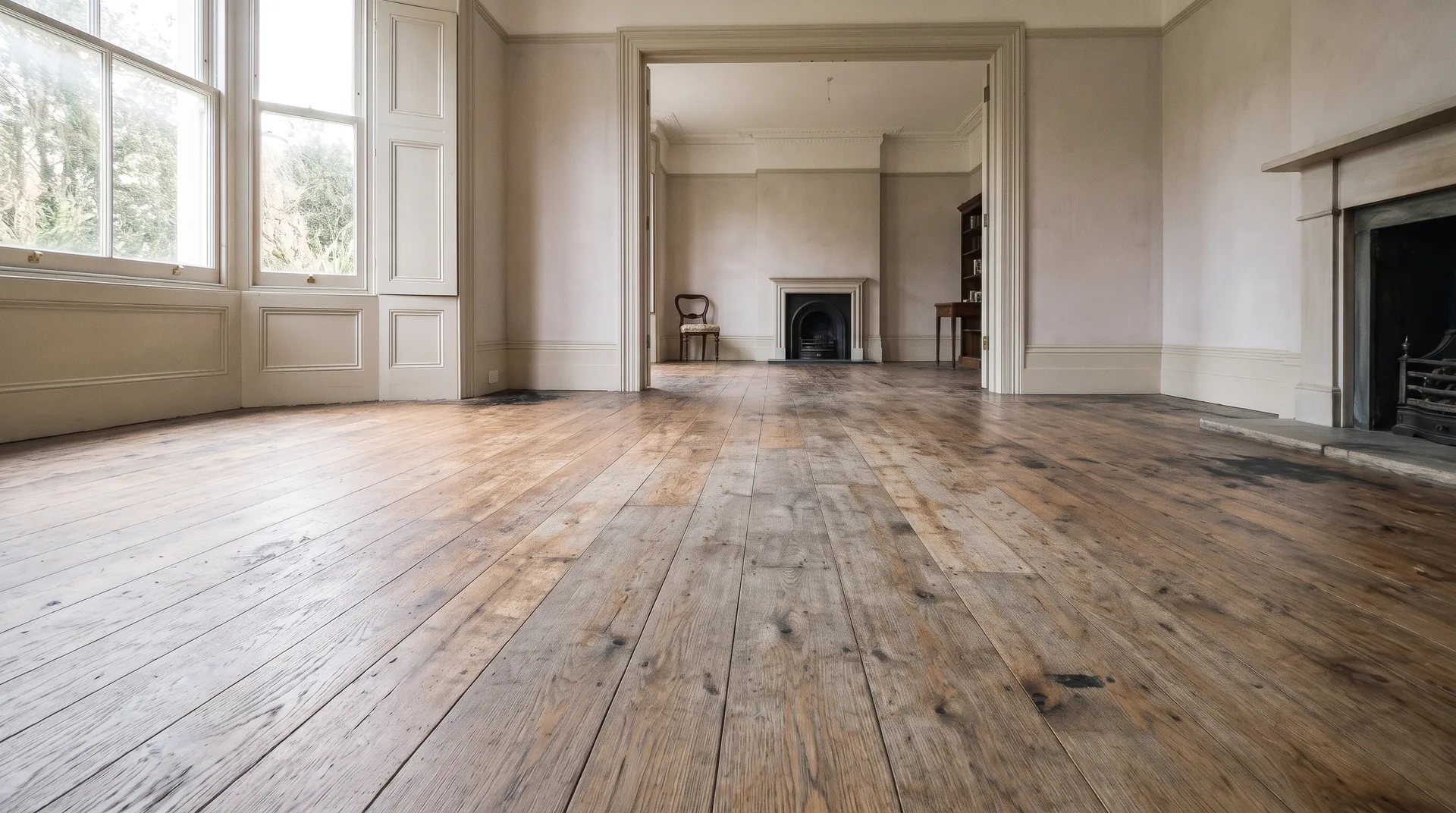
Agree what can be retained and what needs attention
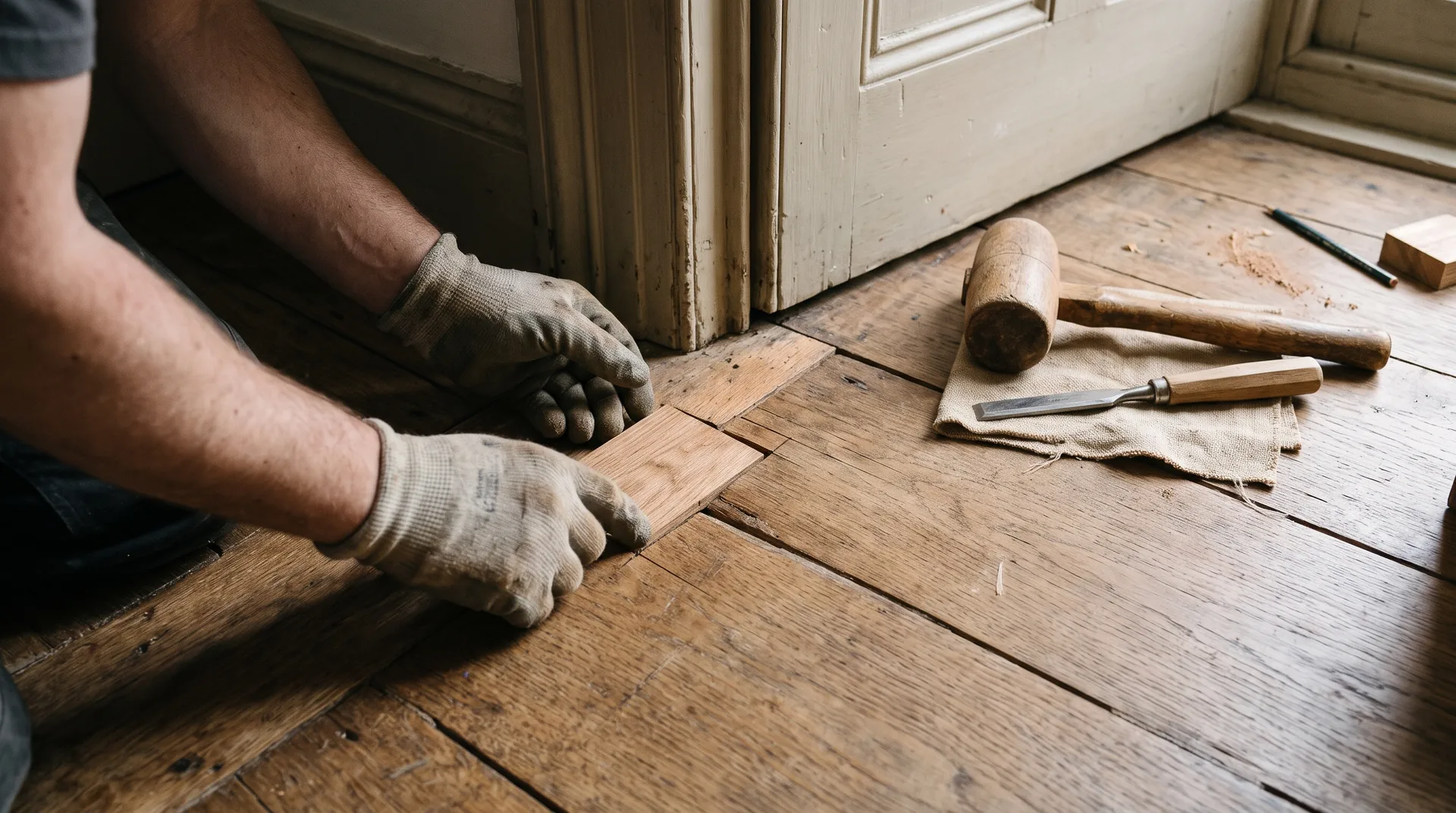
Restoration should account for the floor you actually have. Previous sanding, remaining timber, movement, moisture-related damage and old repairs can affect what is possible. We discuss the limits as well as the options, including where replacement pieces may differ from aged timber. A clear scope makes it easier to understand the expected result before you decide to proceed.
Make the finish a practical choice
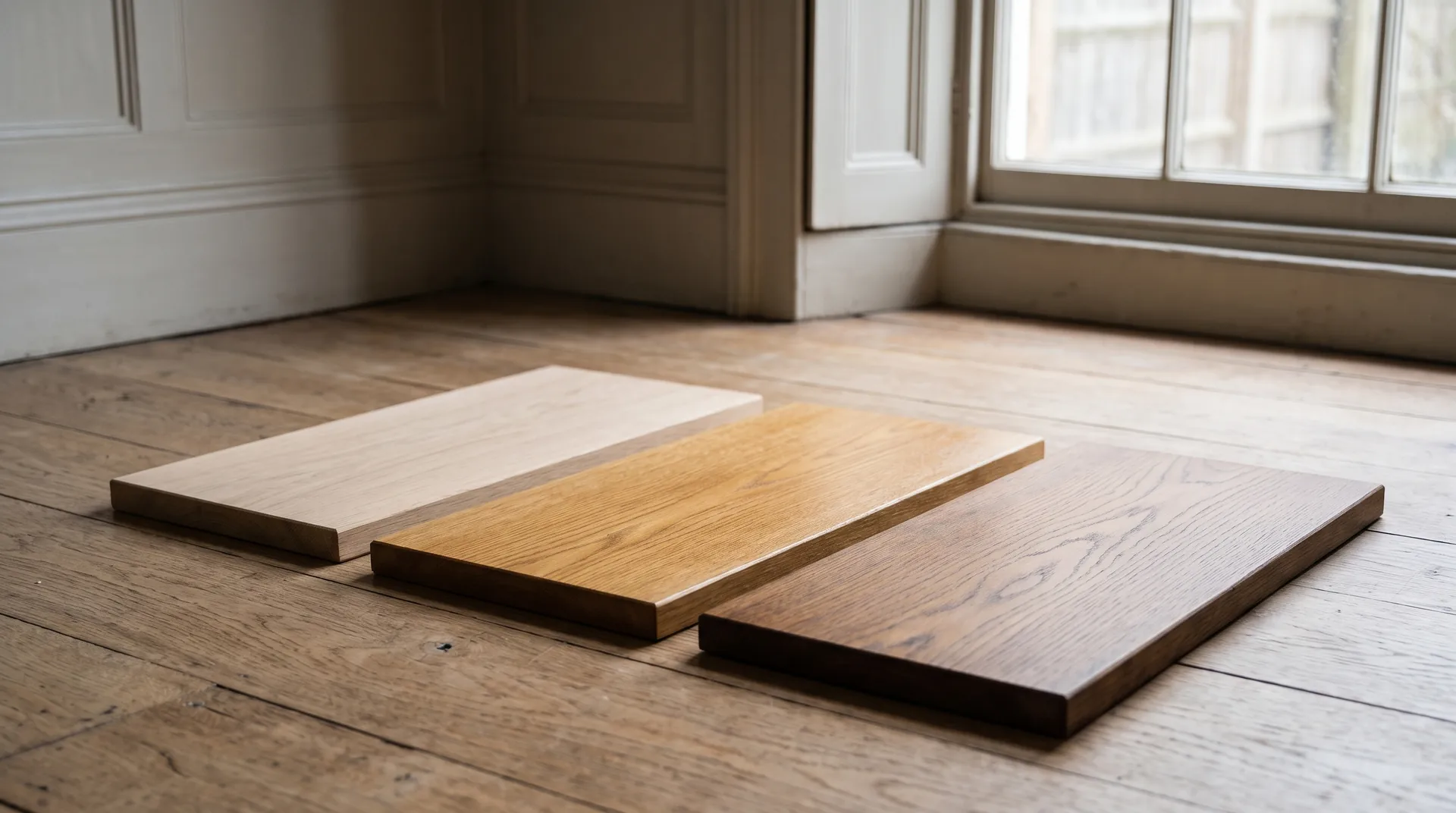
The appearance matters, but so do room use and future care. We can discuss a natural-looking finish, a warmer or darker colour direction and an appropriate sheen. Where a colour change is proposed, sample approval helps establish the direction on suitable timber. The selected treatment must suit the floor and its preparation; an inspiration image alone cannot guarantee the final shade.
Plan the work around your property
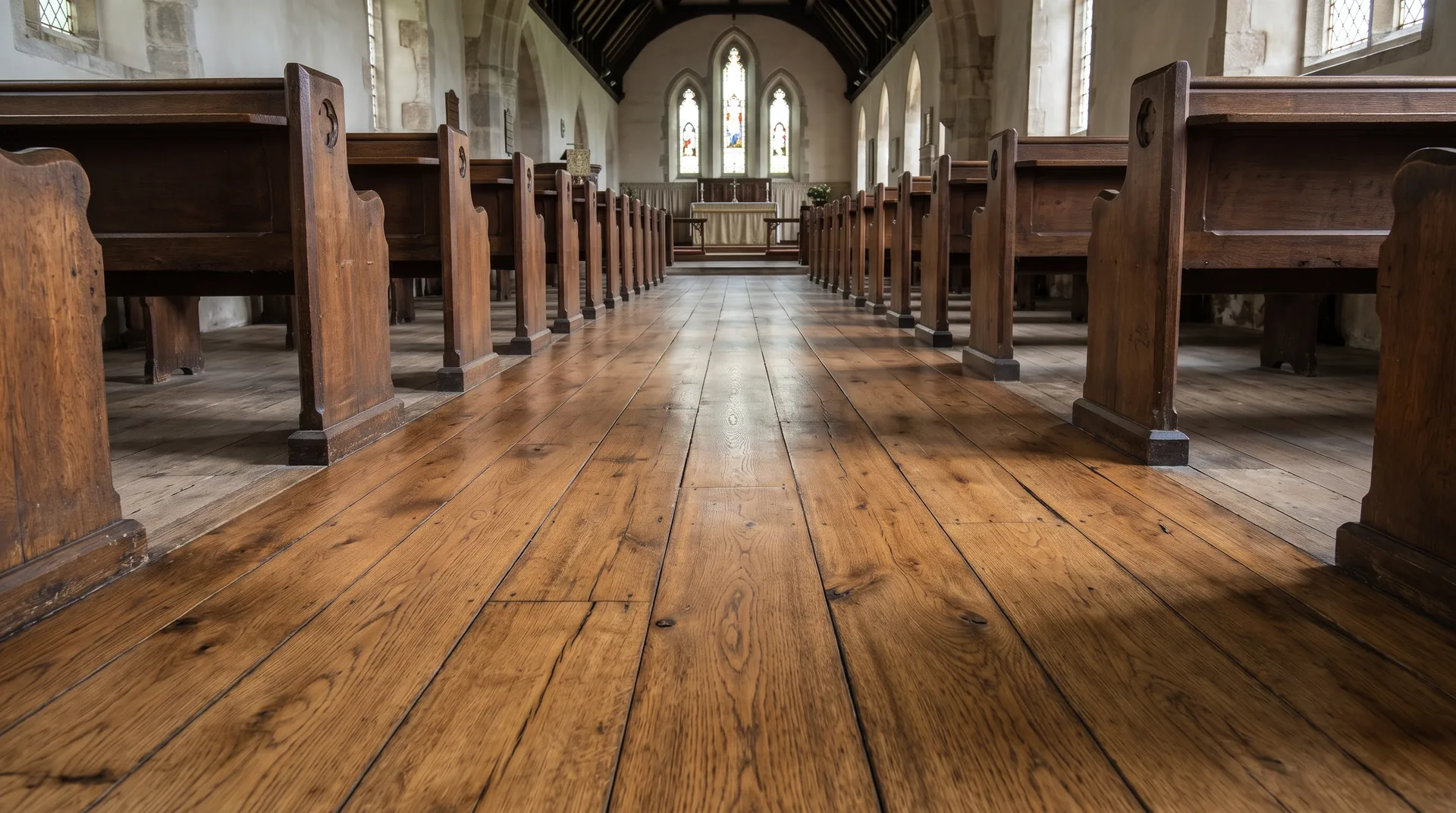
Tell us about occupancy, furniture, shared entrances and any working-hour restrictions. Connected rooms and essential access routes can influence how the work is sequenced. We also discuss the relevant return-to-use guidance for the proposed finish, so limited access, furniture replacement and routine cleaning are considered before dates are agreed. Commercial enquiries should include opening hours and any site requirements.
Start with photos and a clear quotation brief
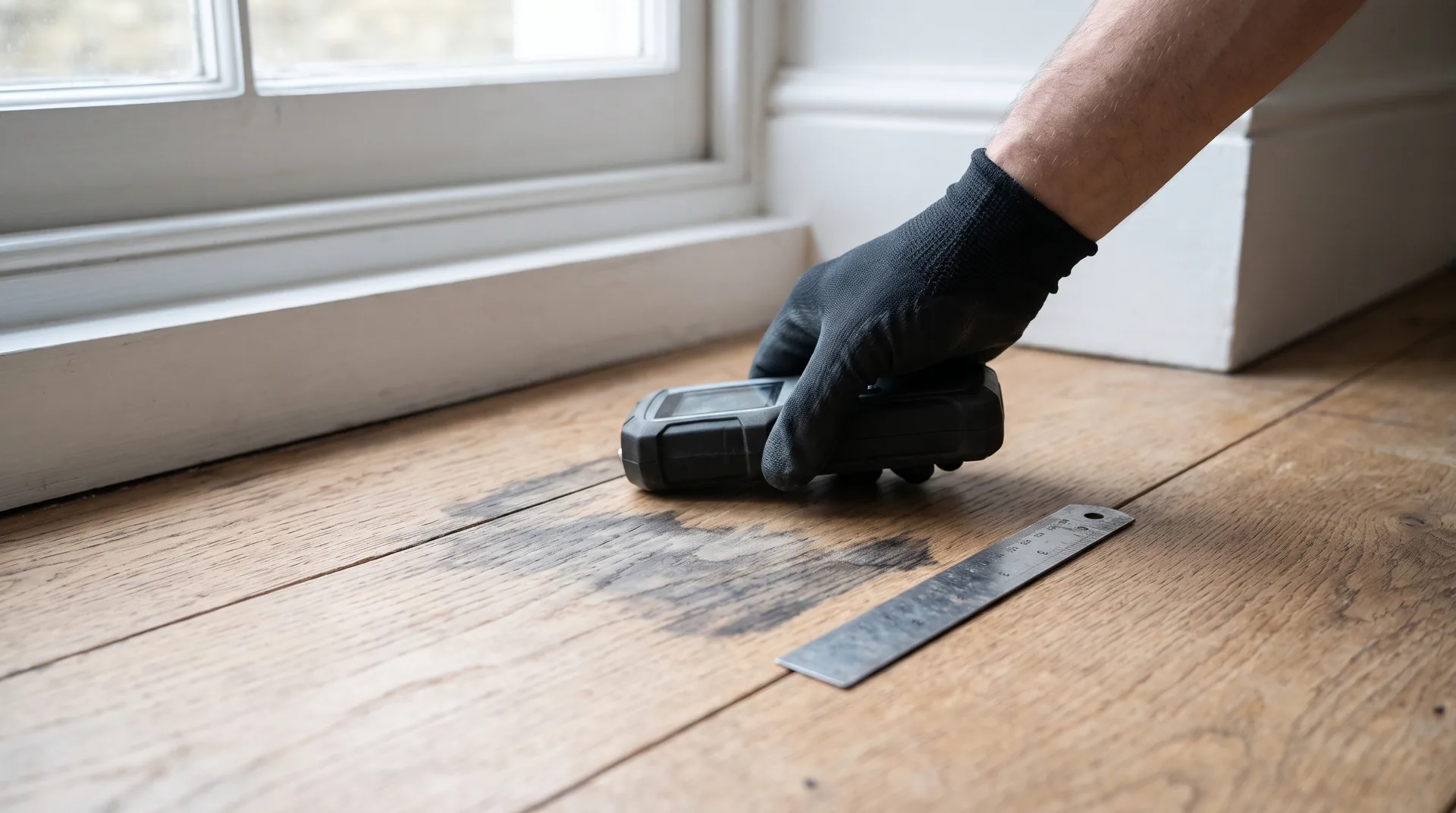
Send a wide photograph of the room, close-ups of the worn or damaged areas, your postcode and an approximate floor area. Add any product information and tell us the appearance you want. Those details help establish the next assessment step. Where construction, damage or finish compatibility cannot be confirmed remotely, a site visit may be needed before the final method and price are agreed.
Before you decide
Your questions, answered
Every floor is different. If your question is about a particular mark, board or finish, send us a photograph.
Can my wood floor be restored instead of replaced?
It may be possible, depending on construction, remaining timber and condition. We assess whether maintenance, repair or refinishing is appropriate and explain any limits. Photos are a useful starting point, with an on-site assessment where needed.
How do I know which restoration service to choose?
You do not have to diagnose the floor yourself. Tell us what concerns you and send photographs. We can help distinguish a surface-maintenance issue from repairs, fuller refinishing or a colour-change project.
How much does wood floor restoration cost?
The area, layout, repair needs, existing coating, access and chosen finish affect the scope. We provide a quotation for the assessed work rather than apply a single price to every floor. Include an approximate area and clear photos when you enquire.
How long will the work take?
The programme depends on preparation, repairs, the area and the finishing system. We agree a practical schedule after assessment. Limited use, replacing furniture and fully returning to normal care may involve different timings.
Do you restore floors in Central London?
We welcome enquiries across London, including the Central London locations linked below. Send the exact property postcode and access details so the assessment can be planned around the actual address and building requirements.
Can you assess both wood and adjoining stone floors?
Tell us if both materials need attention. They require different treatments, so the scope and work sequence should be discussed clearly. A wood-restoration quotation should not be assumed to include adjacent stone unless it is specified.
Plan a local enquiry
Wood floor restoration across London
Explore these local pages for property and access planning, then send your exact postcode when you enquire.
Show us the floor you want to restore
Send your photographs, postcode and a short description of the result you want. We will help you identify the right assessment and service for your floor.
Prefer to send photos? Message us on WhatsApp or call 07888 526686.