Period and historic properties
Heritage Hardwood Floor Restoration
Historic hardwood floors need a brief that starts with what should be preserved. Discuss the condition of boards, earlier repairs and existing finishes with London Marble Stone. Enquiries for period buildings, historic houses and castles begin with the property's location, significance and the scope of intervention being considered.
Prefer to talk? 07888 526686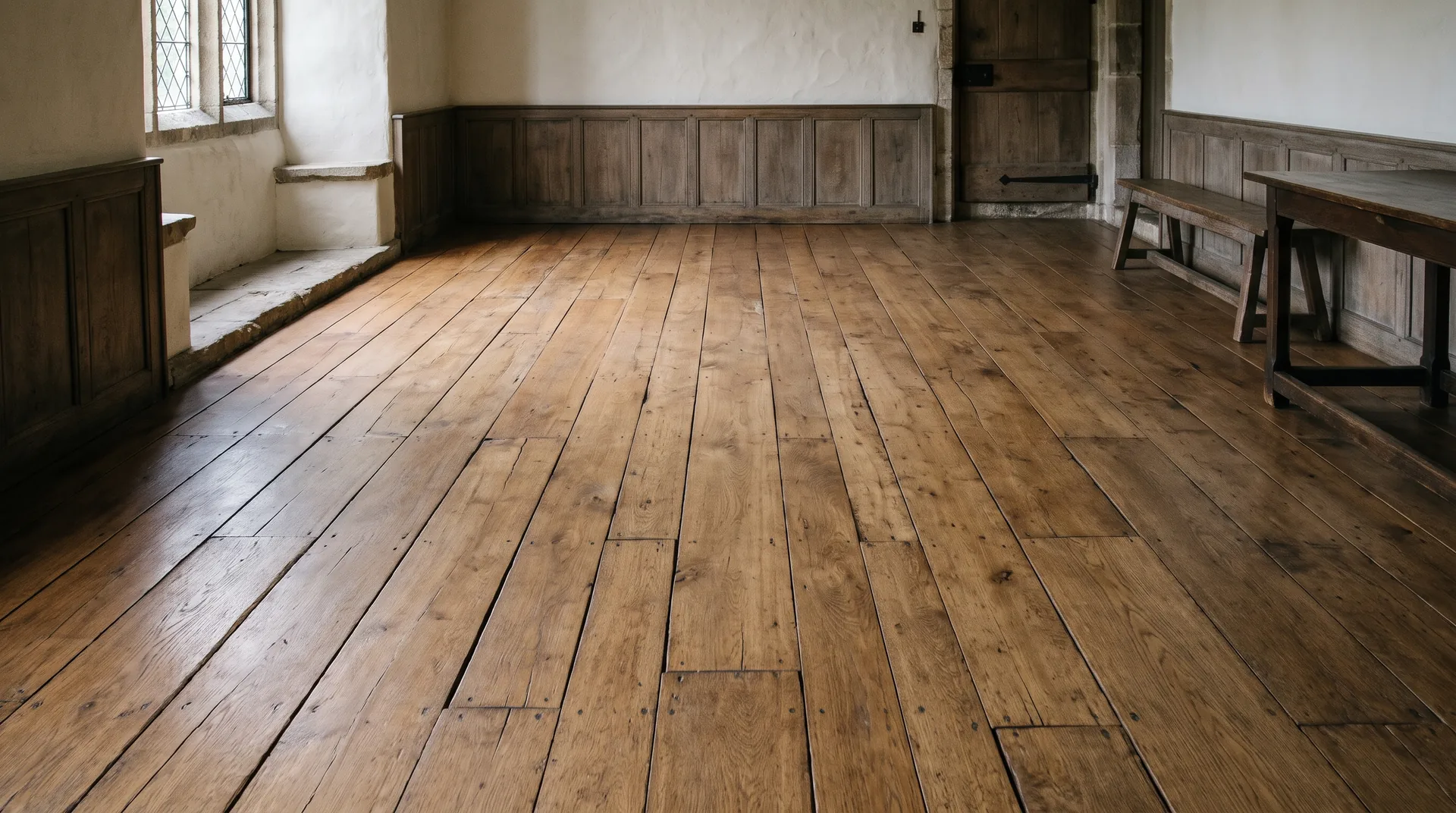
Define what matters about the existing floor
Board widths, laying patterns, worn surfaces and earlier alterations may help tell the building's story. Establish which features need to be retained before choosing a treatment. The objective should be a serviceable floor with an appropriate appearance, rather than the removal of age or patina. Where significance is uncertain, discuss the floor with the building's conservation adviser so the restoration brief is based on more than its visible wear.
Use records and inspection to inform the specification
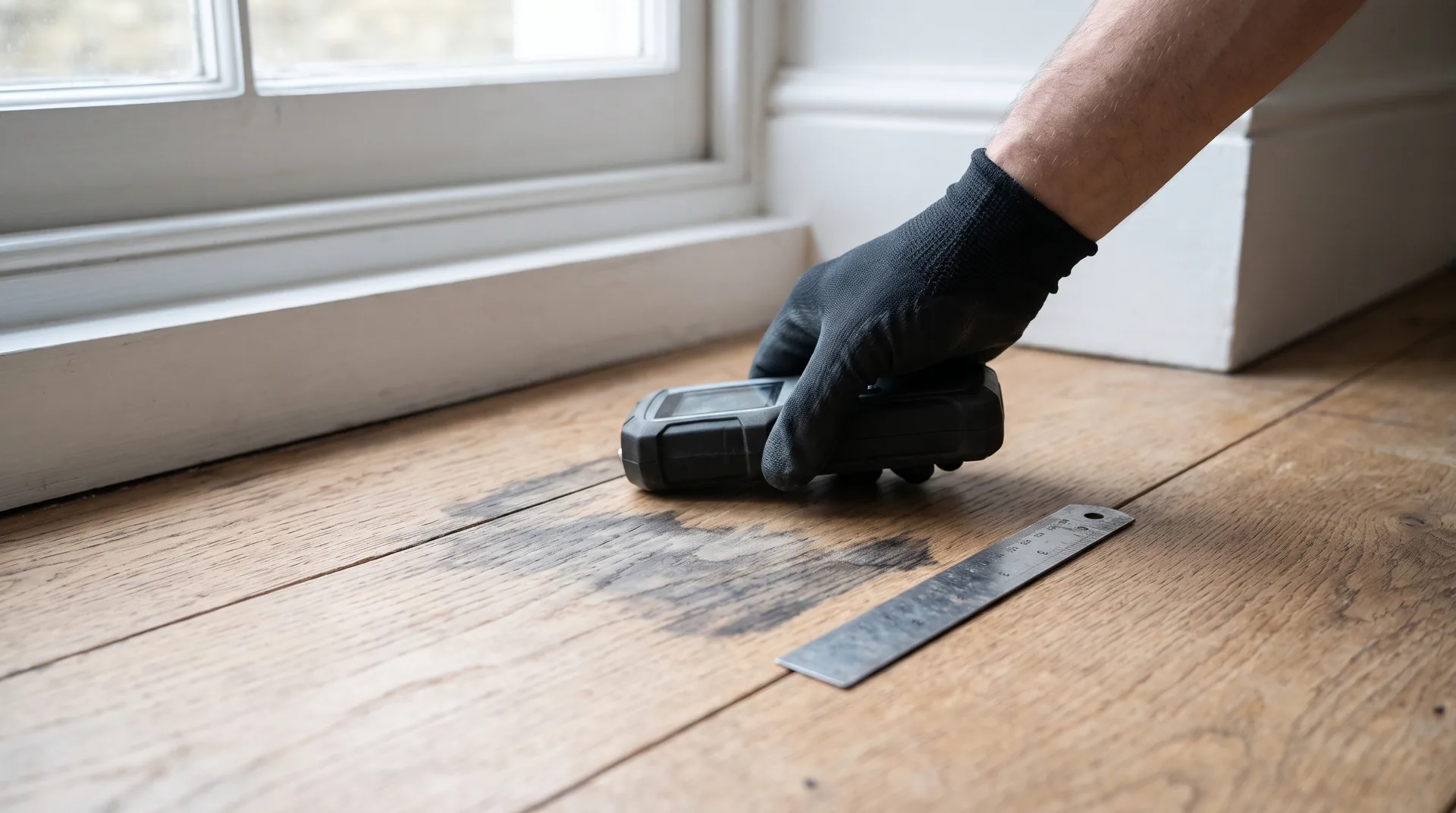
Existing surveys, photographs, floor plans and accounts of earlier work can help explain changes in the timber. On the floor itself, construction, movement, damaged joints, coatings and previous sanding all affect the options. Identify areas that need further investigation, including any known moisture issue. A useful specification records the condition, proposed repair locations and treatment limits, so everyone involved understands what the work is intended to achieve.
A closer look at the finish
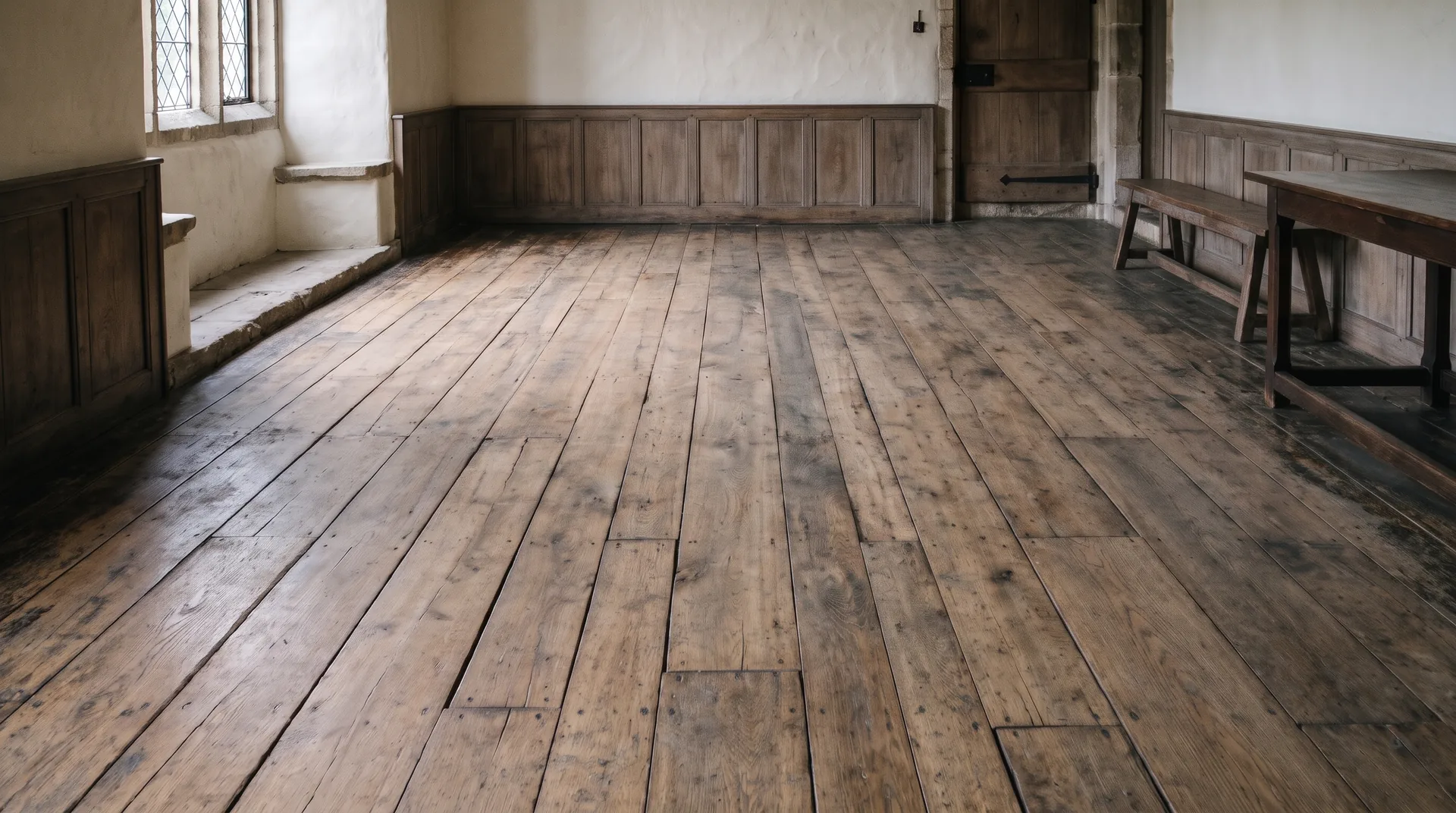
Explore the change in appearance
Retain sound material and make proportionate repairs
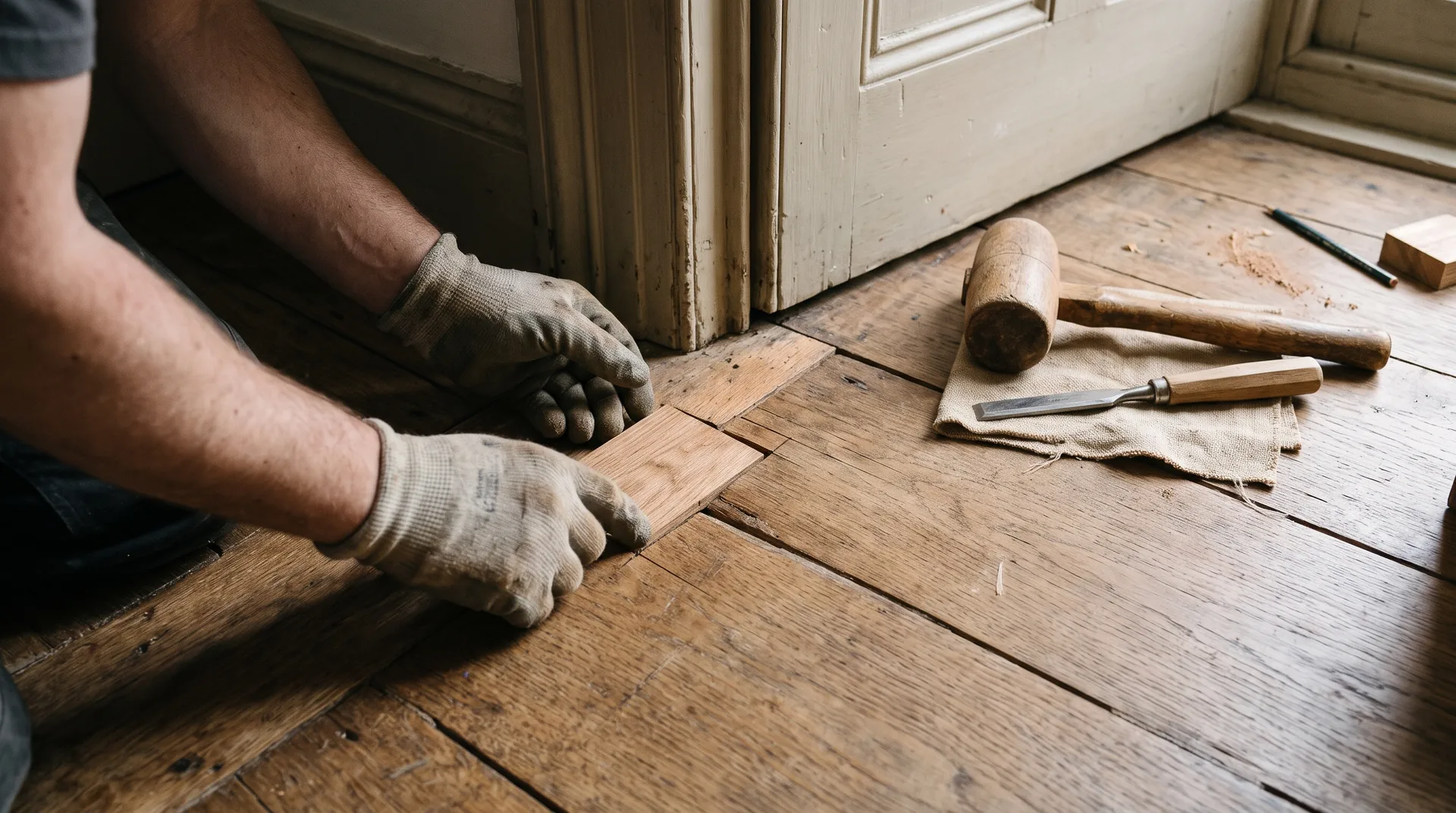
Local repair should be considered before wider replacement where sound boards can remain. Damaged edges, insecure sections and missing pieces may need different solutions rather than one treatment across every room. Any new timber needs a considered match in dimensions and appearance, while acknowledging that its grain and colour can differ. Agree how replacement areas will relate to retained fabric and document their location as part of the project record.
Test preparation and finish before extending the work
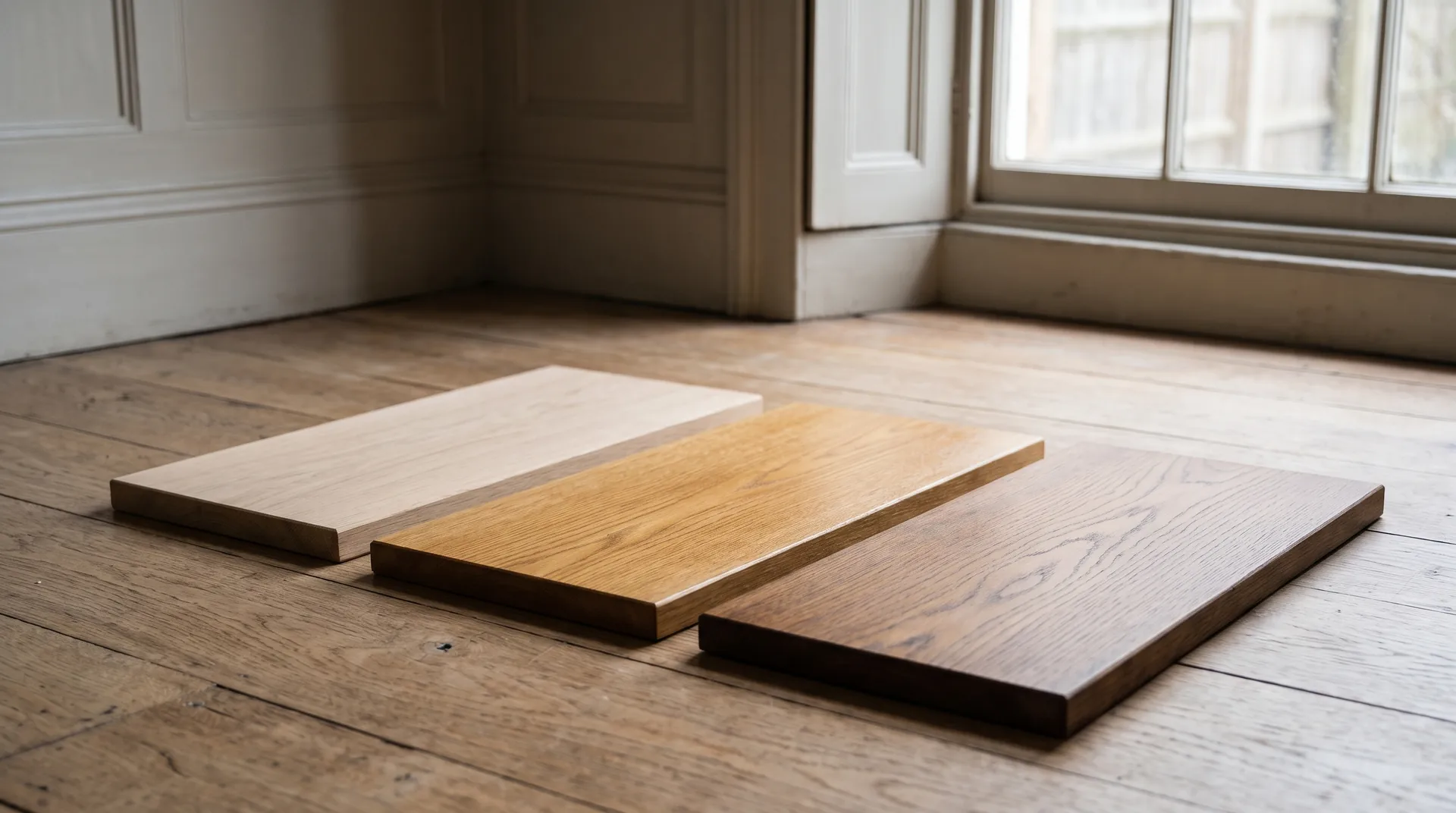
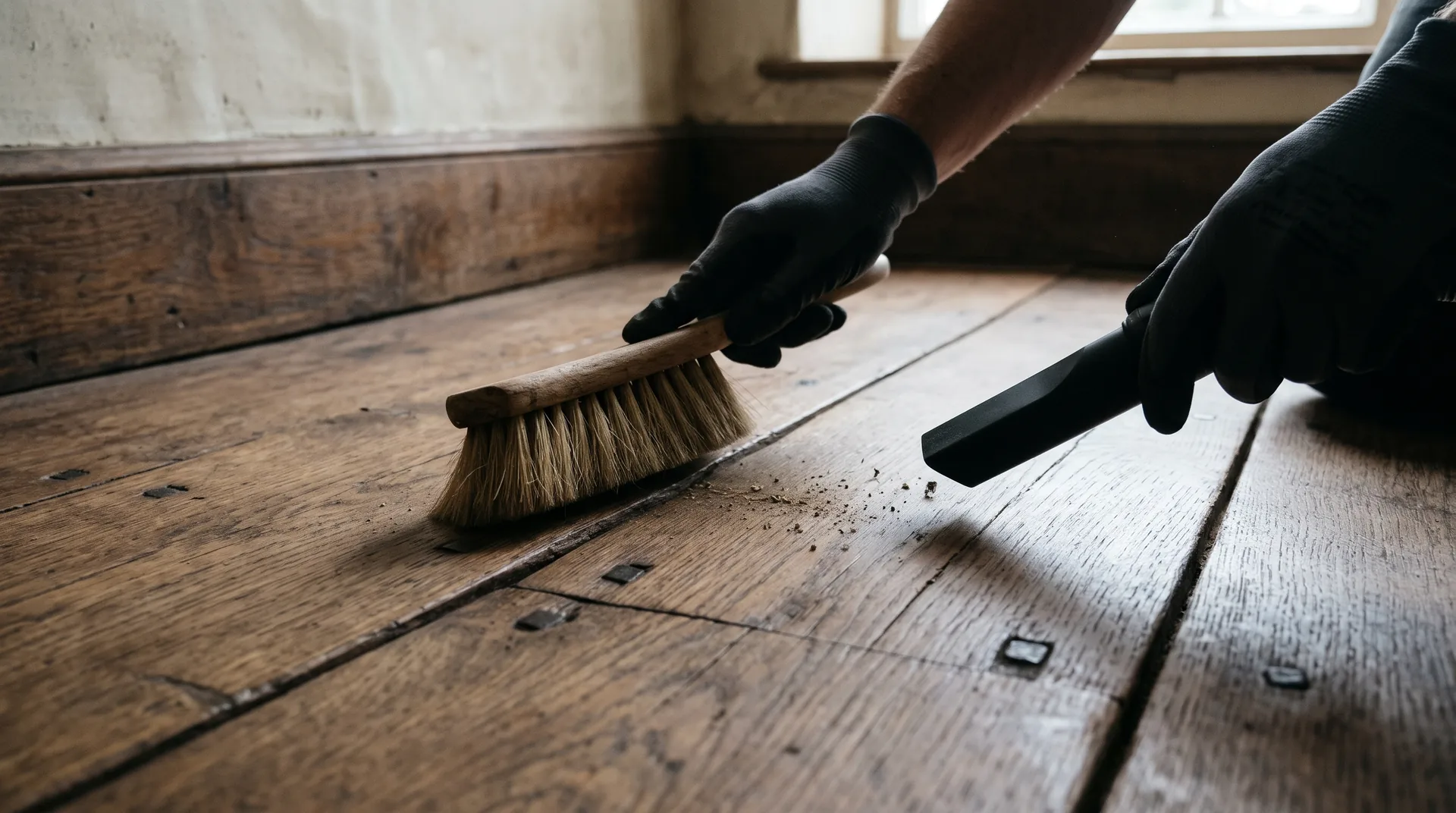
Cleaning, compatible surface renewal or limited preparation may offer an appropriate route for some floors. Sanding should only enter the specification where the condition, usable timber depth and conservation brief support it. Samples help assess colour, sheen and how the treatment affects retained features. Agree the sample location and review its result with the relevant adviser before extending the approach. Do not use removal of patina as the target.
Resolve approvals and building constraints early
A historic setting can introduce requirements beyond the floor itself. Listed status, existing conditions and the nature of the proposed work may affect the permissions needed. The owner or responsible custodian should establish the applicable process with their professional adviser and relevant authority. Provide the agreed requirements before work is programmed. Restricted access, delicate adjoining finishes, occupied rooms and the handling of significant fittings also need a practical plan.
Start with an assessed project enquiry
London Marble Stone is a London business; enquiries for historic properties elsewhere in the UK are considered individually. Send the property's location, photographs, approximate floor area and a description of the problems you need to solve. Include any condition report, conservation advice or approved specification. For larger historic buildings or castles, identify the particular rooms and their use so scope, access and suitability can be assessed before a quotation is agreed.
Before you decide
Your questions, answered
Every floor is different. If your question is about a particular mark, board or finish, send us a photograph.
Does restoring a historic floor mean sanding it?
No. The condition and conservation brief should determine the intervention. Cleaning, limited repairs or compatible surface renewal may be appropriate. Sanding removes material, so its suitability and extent require particular consideration where older surfaces or details should be retained.
Can old repairs and wear remain visible?
Yes, that can be an appropriate part of the agreed outcome. Earlier repairs and wear may contribute to the floor's character or significance. The brief should distinguish damage requiring attention from features that the owner and adviser wish to preserve.
Can you advise whether listed building consent is required?
Consent requirements need confirmation through the property's adviser and relevant authority for the specific work proposed. Share their requirements when requesting a quotation. Neither an initial discussion nor a floor treatment sample establishes permission to undertake the wider work.
Do you accept enquiries for castles outside London?
You can submit a project enquiry with the location, room details and condition information. Work outside London is considered individually for scope and practical suitability. An enquiry does not establish coverage or availability for every UK property.
What will make the first assessment more useful?
Provide wide room views, close-ups of defects, floor plans where available and records of earlier treatments. Explain the intended use and the features to retain. Existing professional advice helps identify the questions that still need inspection or sample work.
Begin with the floor you want to preserve
Share photographs, location and any existing professional advice with London Marble Stone. Request an assessment that defines the necessary repairs, retained features and treatment samples before the wider work is specified.
Prefer to send photos? Message us on WhatsApp or call 07888 526686.