
Assess the floor before choosing the treatment
Engineered Wood Floor Restoration in London
Engineered wood can look like solid timber, but its restoration options depend on the surface layer and condition. Let us assess your floor before you commit to sanding, replacement or a colour change.
Prefer to talk? 07888 526686
Identify the floor and its remaining timber
Engineered flooring has a real timber surface over a layered construction. That surface varies between products, and earlier sanding may have reduced it. A product name, spare board or safely visible board edge can help with assessment. We do not assume a floor is suitable for sanding just because it looks like wood or was sold as engineered.
Compare the available restoration routes
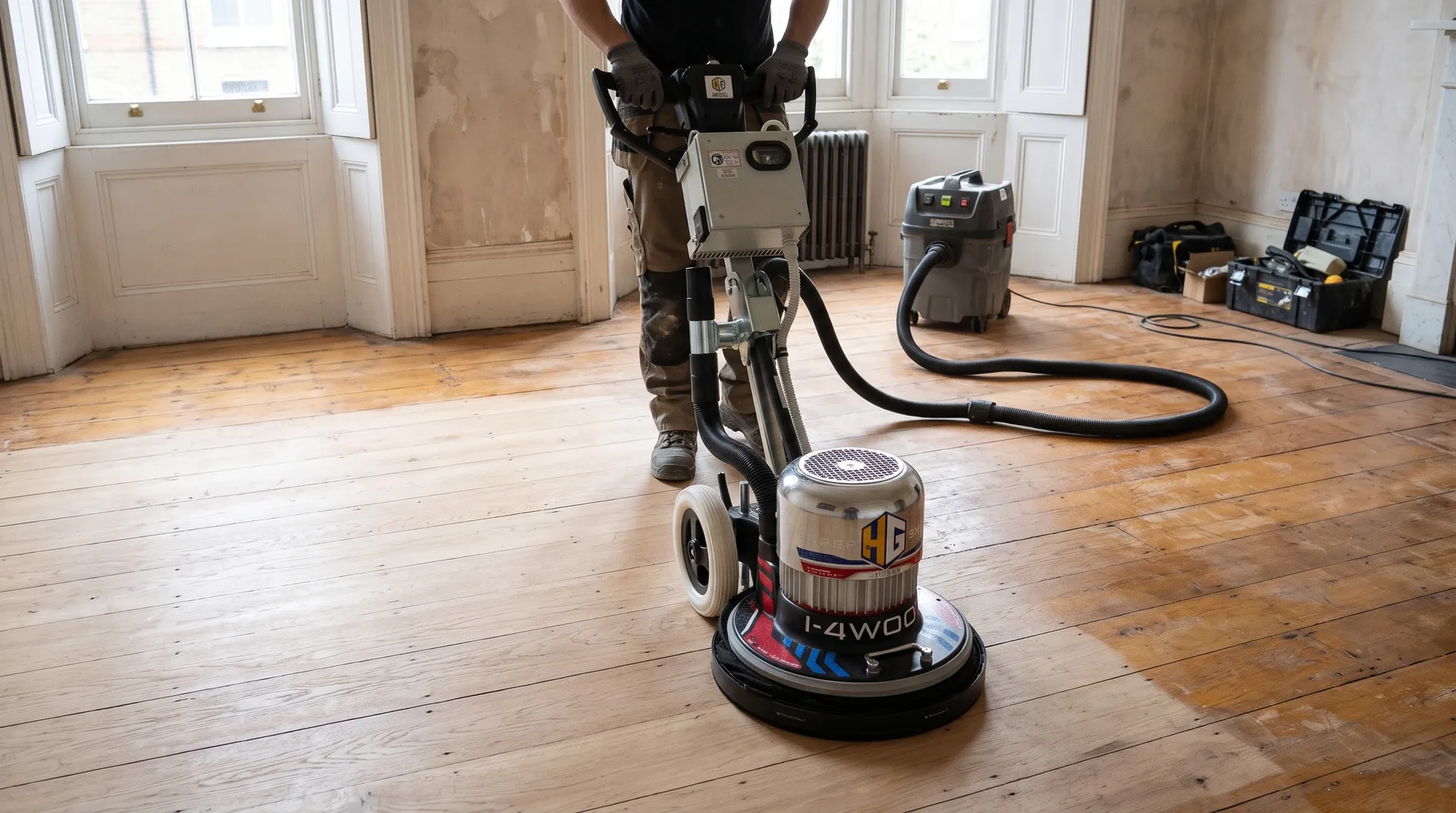
Depending on its condition, your floor may suit cleaning, compatible recoating, a limited repair or full refinishing. The aim is to choose an appropriate level of intervention while respecting the remaining surface. Some real-wood veneer products are not designed for a full sand, so the right recommendation may be maintenance rather than removal of timber.
A closer look at the finish
Explore the change in appearance
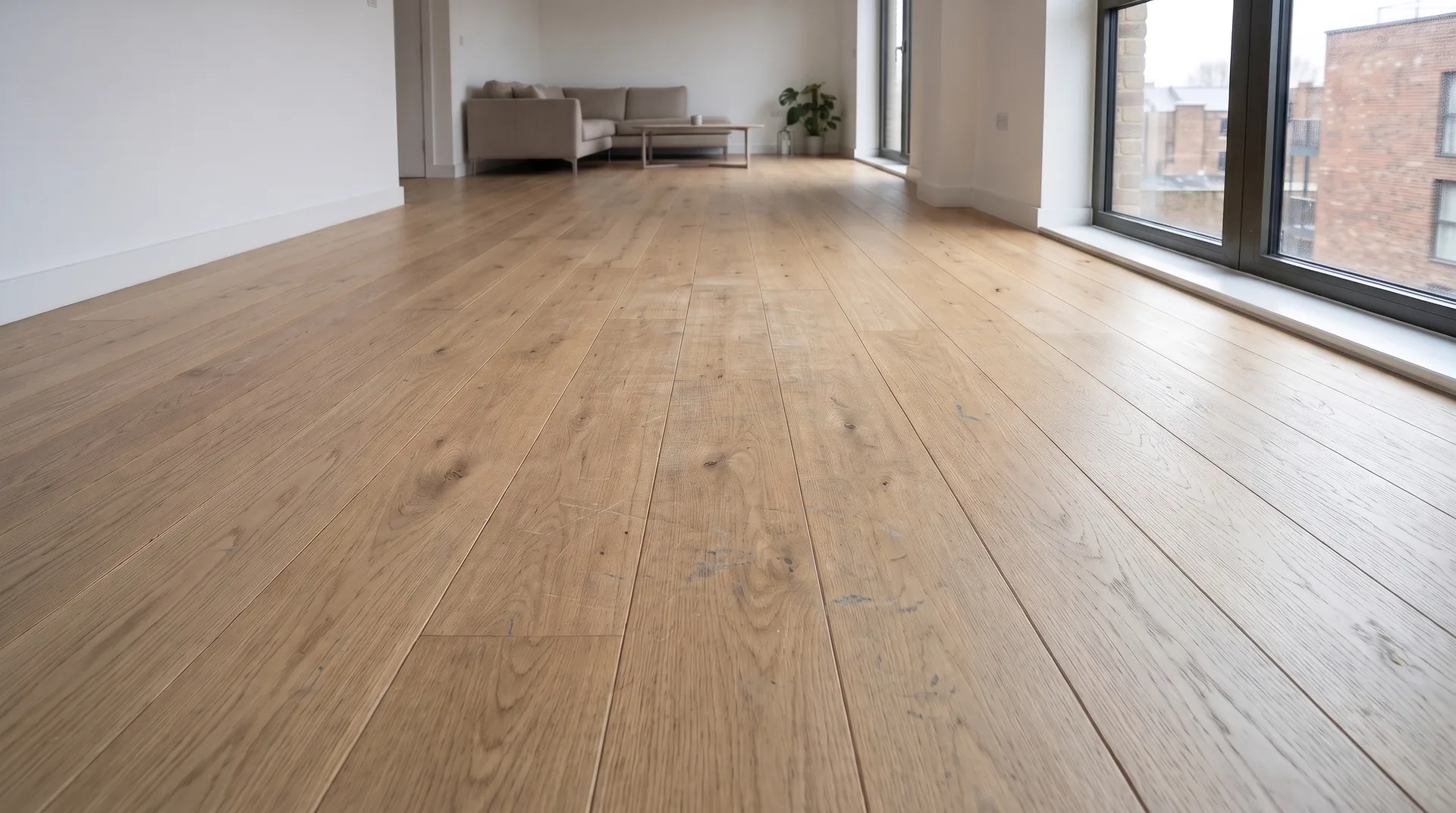
Consider bevels, texture and factory treatments
A brushed surface, bevelled board edge or factory-applied colour is part of the floor's appearance. Fuller sanding can change those features and may not reproduce the original effect. We discuss what you want to retain and what may change, especially where the floor continues into another room that will not receive the same treatment.
Address local damage without overpromising
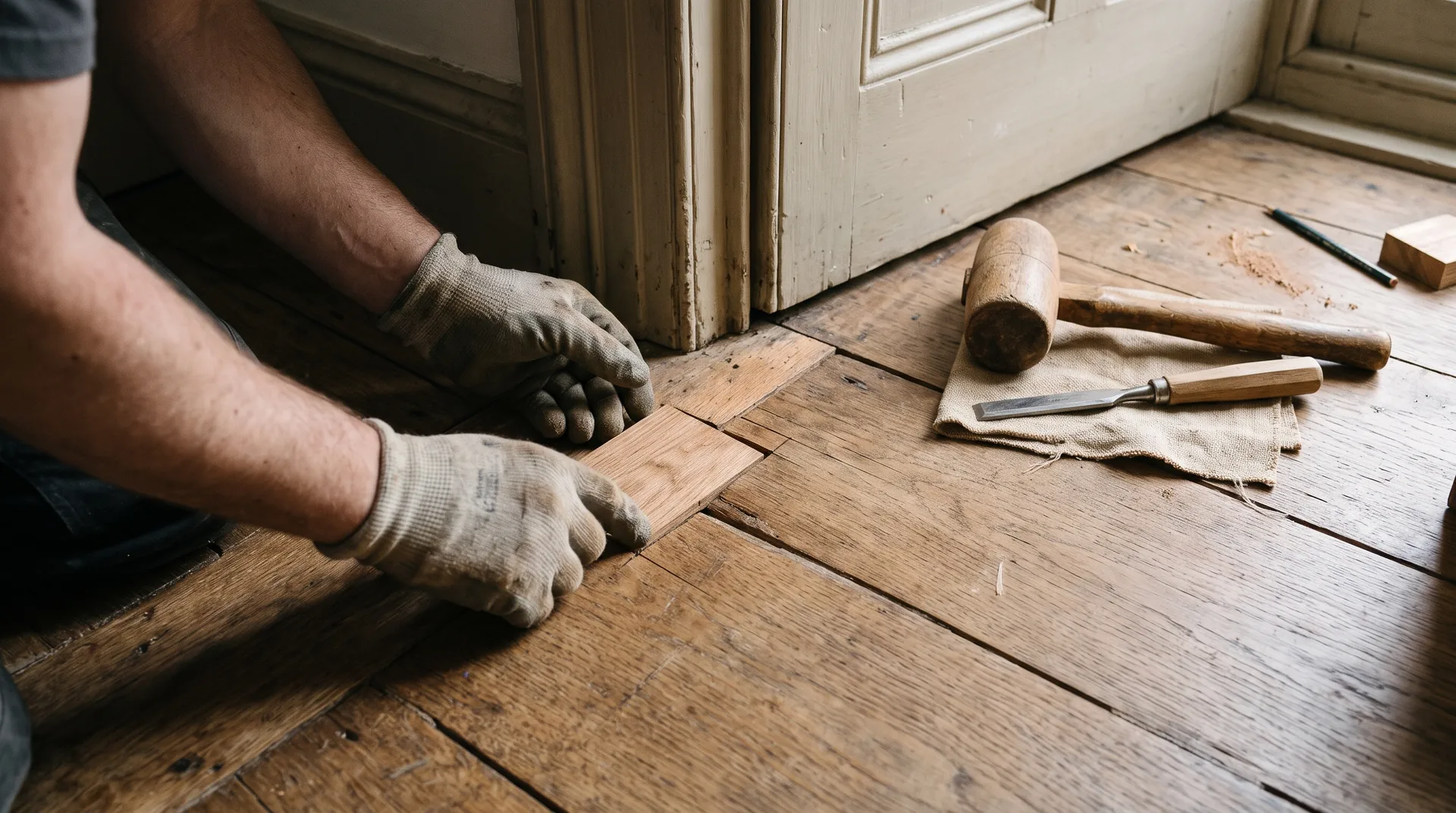
A deep dent, split edge or stained board may need a different solution from light surface wear. Spare boards can sometimes help with a replacement plan, but suitability and access still need checking. We explain the likely visual result and whether a local repair is practical rather than assume every mark can be removed by sanding.
Make finish and access decisions together
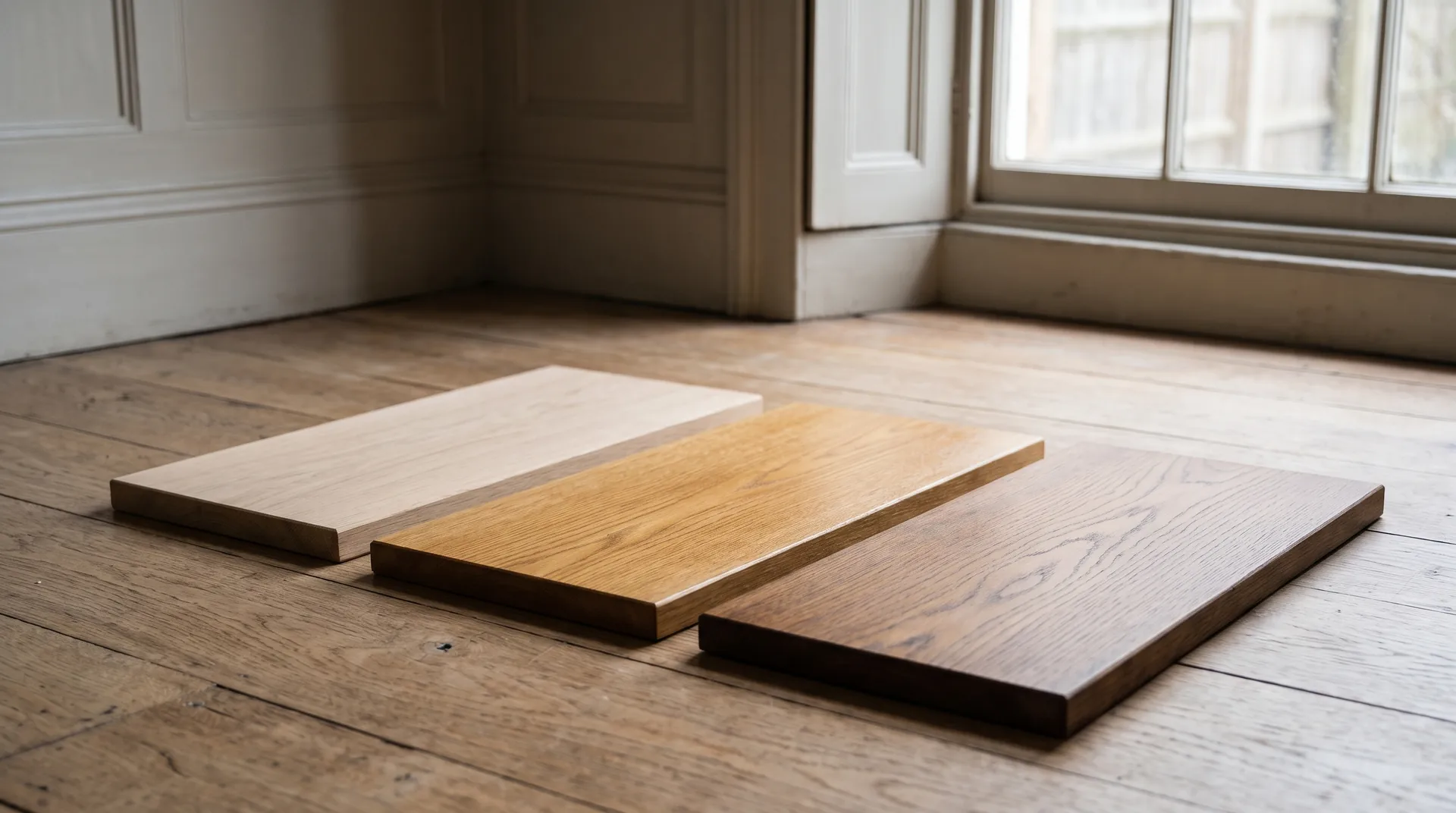
If the floor is suitable for restoration, we discuss the look you want and how the room is used. Tell us about underfloor heating, occupancy and building rules so the working plan can be checked against the flooring and finish requirements. Any return-to-use schedule should match the selected products and the actual conditions, not a generic promise.
Get a quotation based on eligibility
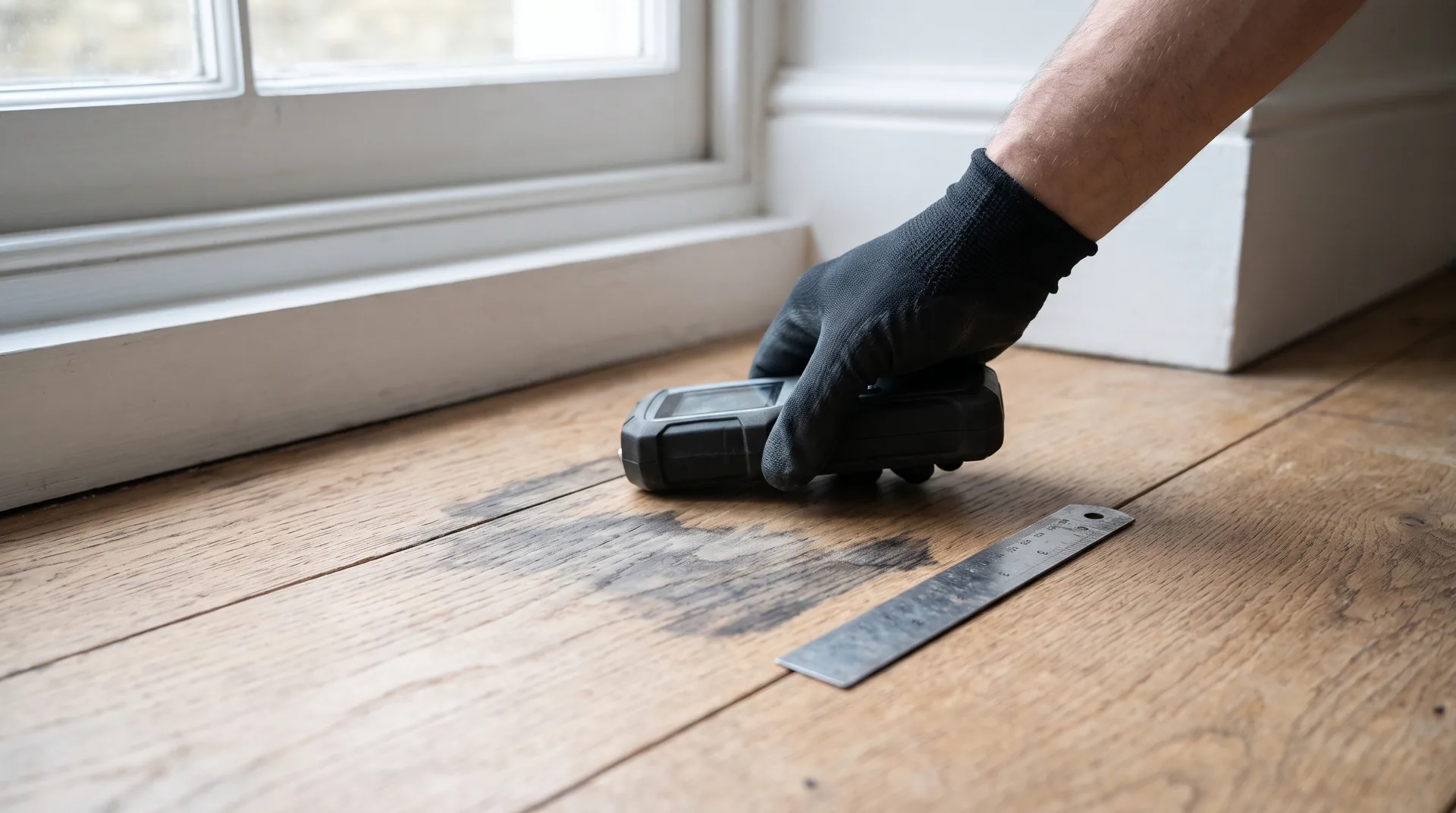
Send your postcode, approximate area, photographs and any invoice or product information you still have. You do not need to lift boards or dismantle a threshold for an initial enquiry. Where the surface thickness or previous work is unclear, an on-site assessment may be needed before the restoration method and final price can be confirmed.
Before you decide
Your questions, answered
Every floor is different. If your question is about a particular mark, board or finish, send us a photograph.
Can all engineered wood floors be sanded?
No. Sandability depends on the product, remaining timber and condition. Some real-wood veneer floors are not sandable. We assess suitability rather than rely on a single rule or promise a set number of future sanding cycles.
What if I do not know the manufacturer?
Send photographs and tell us the approximate age of the floor and whether it has been restored before. Any spare board or installation paperwork can help. Where information is missing, a site assessment may be needed.
Is engineered wood the same as laminate?
No. Engineered flooring has a real timber surface; laminate generally uses a decorative printed layer. The treatments are different. If you are unsure which you have, tell us rather than selecting a sanding service on appearance alone.
Can you keep the brushed texture or bevels?
That depends on the existing product and proposed treatment. A compatible surface renewal may preserve features that a fuller sand would alter. We discuss these trade-offs before confirming the method or a colour change.
Know what your floor can safely support
Send the product details you have and a few clear photographs. We will help you establish which restoration routes are worth considering.
Prefer to send photos? Message us on WhatsApp or call 07888 526686.