Museums, galleries and visitor spaces
Museum Wood Floor Restoration
Restoring a museum's wooden floor involves more than its surface. Collections, displays and visitor routes shape how the work can proceed. Discuss the floor condition with London Marble Stone and plan an assessed scope with your facilities team, curators and the people responsible for collection care.
Prefer to talk? 07888 526686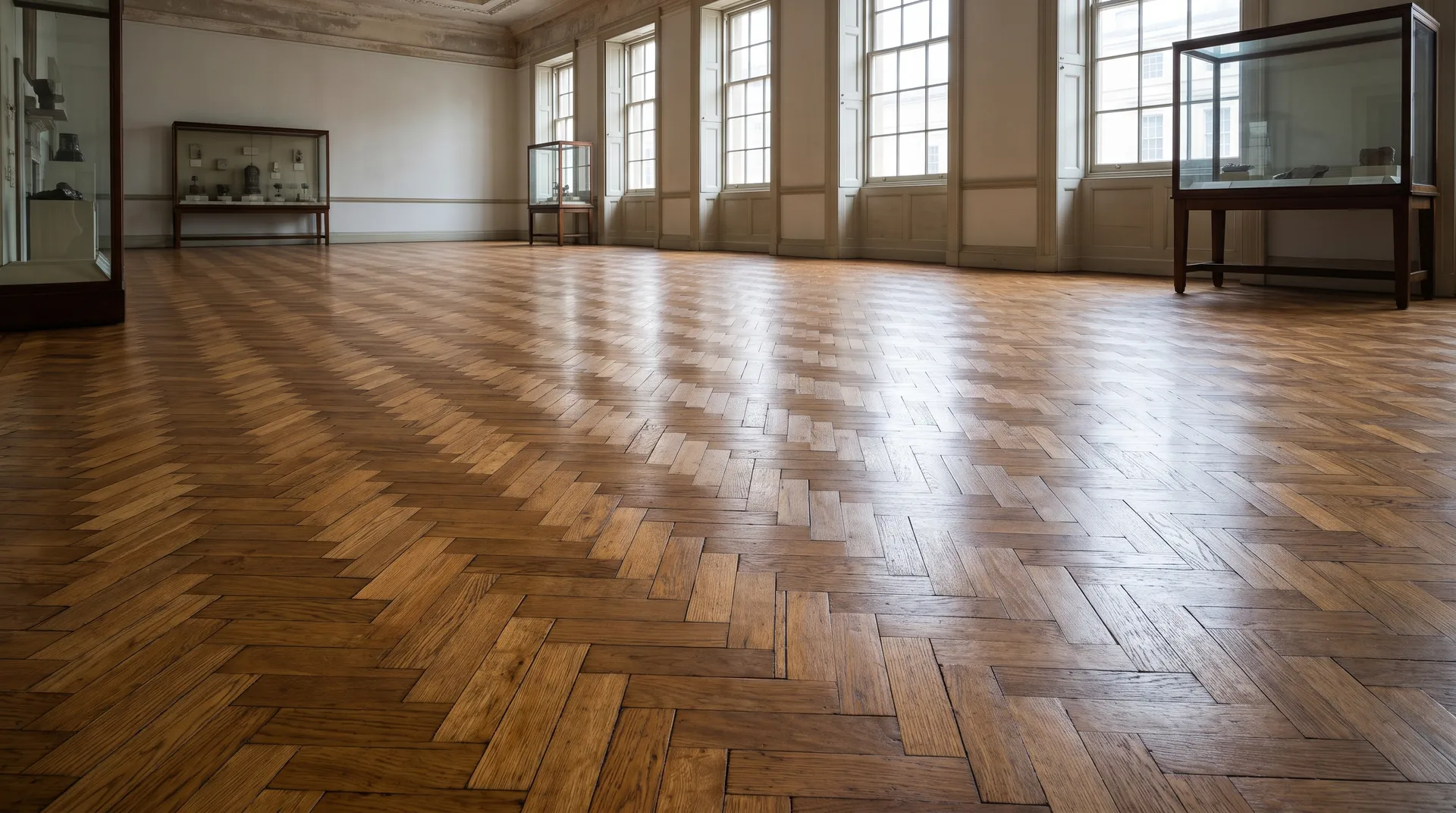
Bring the right people into the floor brief
Facilities staff can explain the floor defects and access arrangements; curatorial and collection teams can identify the requirements of objects and displays nearby. Establish one contact to coordinate these inputs before the treatment is specified. Share the intended programme, room use and any conservation requirements affecting the floor itself. This gives the quotation a clear basis and helps identify decisions that need specialist input before work can proceed.
Agree how collections and displays will be protected
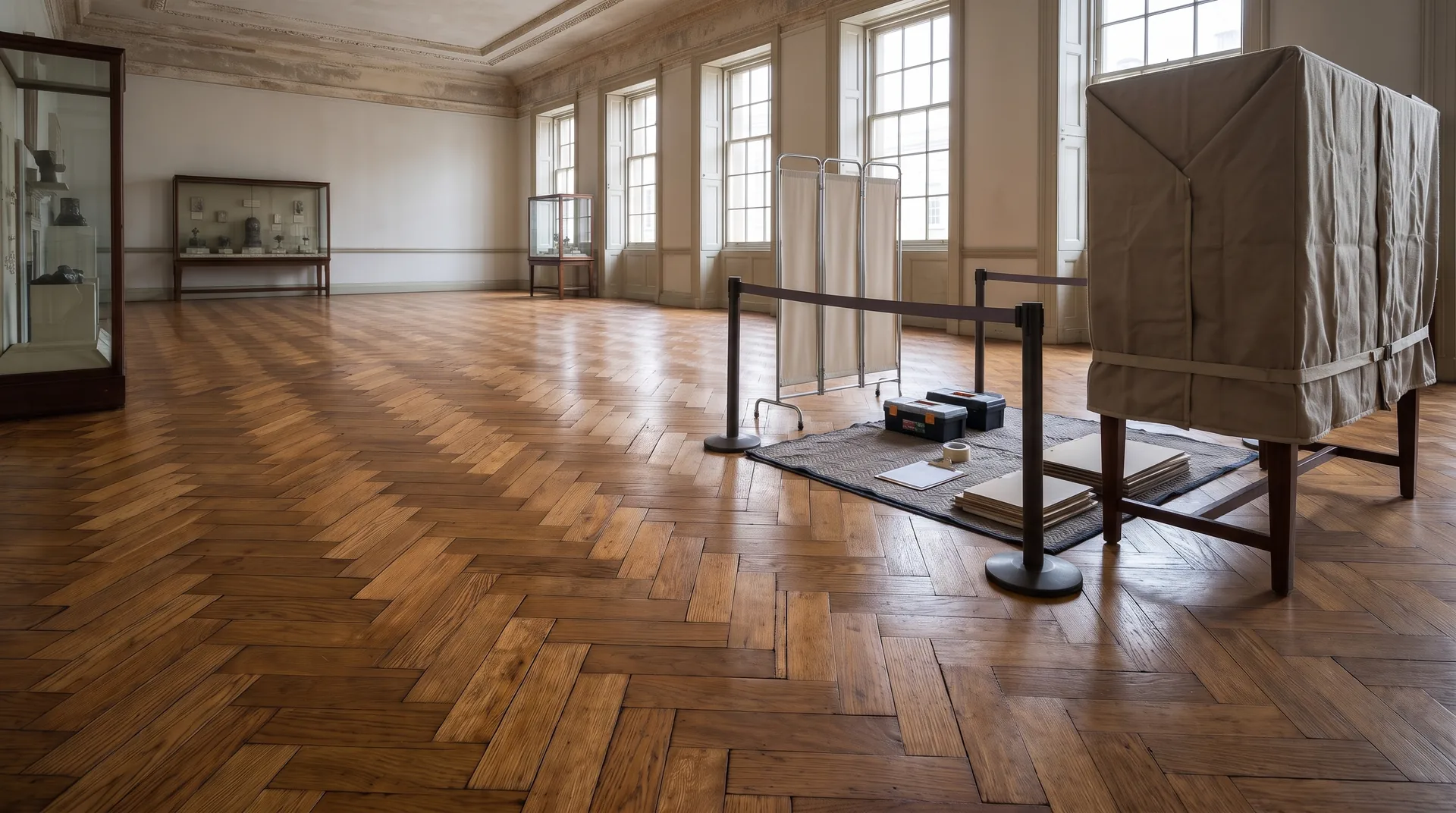
Discuss the potential for dust, debris, odour and movement around the working area with the museum's collection specialists. Dust control does not establish that nearby objects are protected adequately. The venue should agree which items need relocation, how work areas will be separated and who will handle displays or cases. Protection, ventilation and any monitoring requirements should be defined for the chosen method and the collections present.
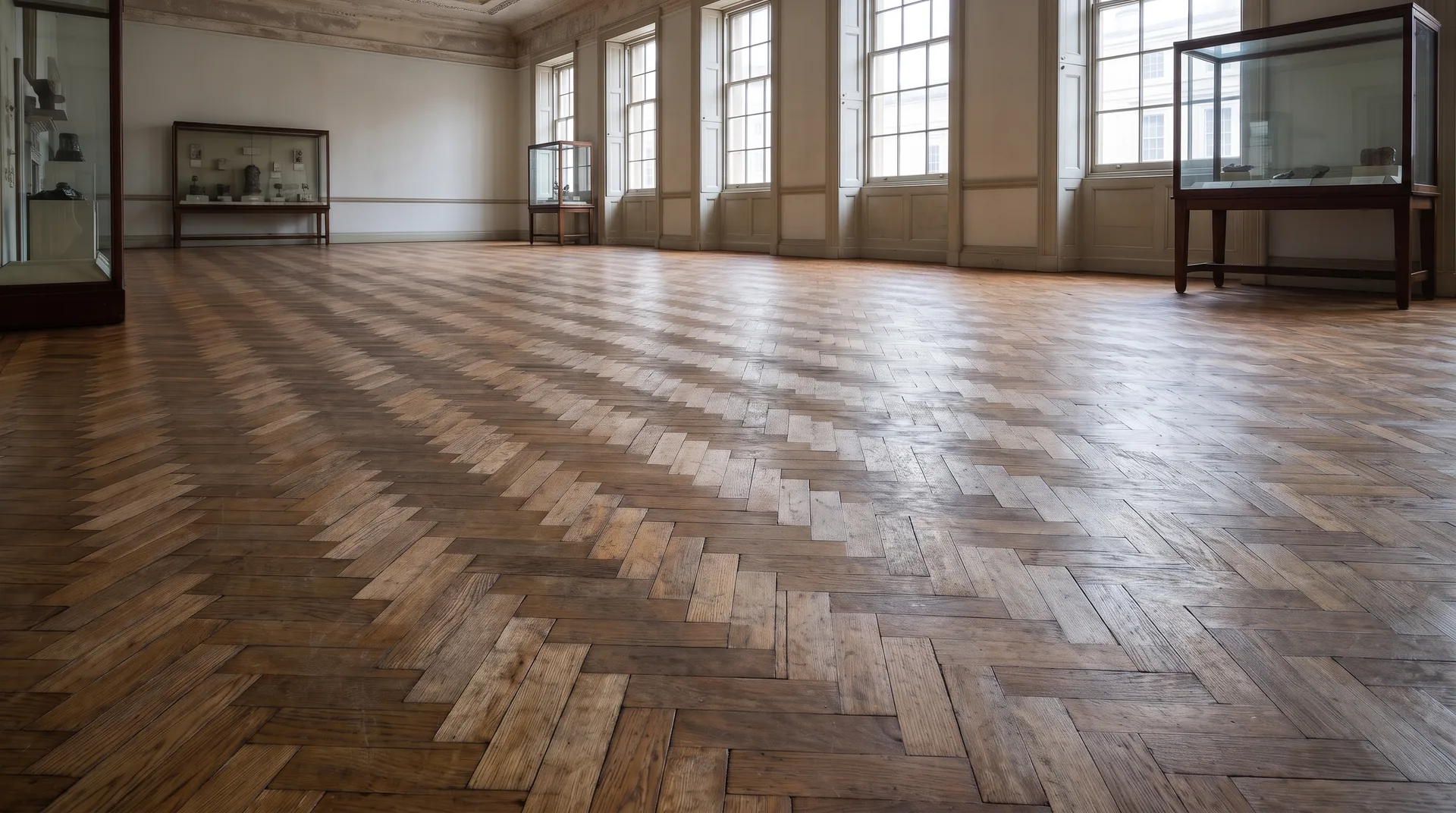
A closer look at the finish
Explore the change in appearance
Plan visitor routes and workable phases
A phased programme needs more than dividing a floor into sections. Consider entrances, accessible routes, emergency access, staff movement and the position of displays between phases. The museum should approve the arrangements for any areas remaining open. Treatment boundaries and finish drying may limit how small each phase can be. Agree closures, signs and reopening checks early, then explain any programme assumptions clearly in the quotation.
Assess worn visitor paths and retained timber
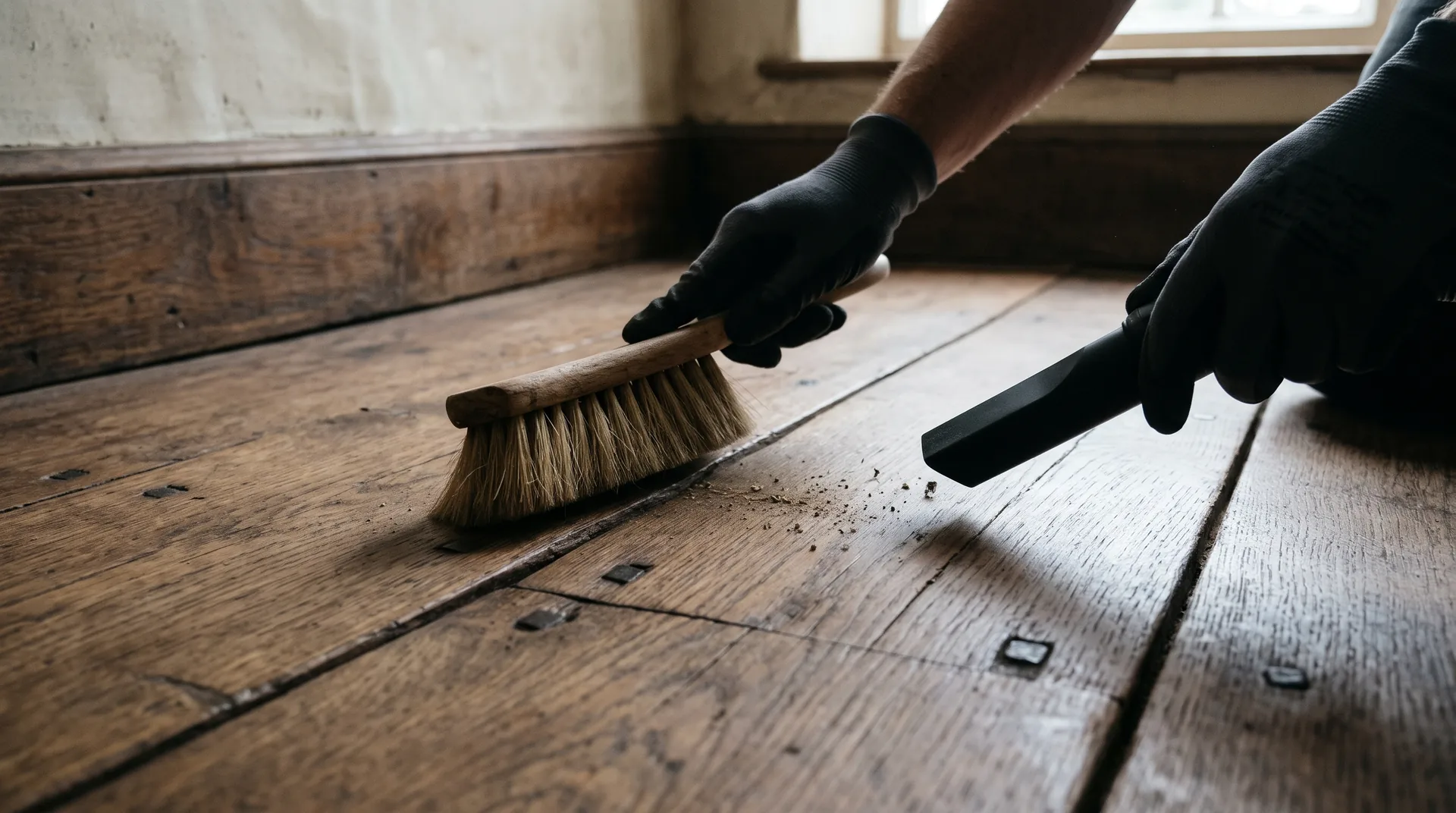
Entrances and popular exhibition routes may show more wear than areas beneath displays. Inspect these differences alongside loose boards, damaged joints and earlier repairs before deciding whether the whole room needs the same treatment. If the floor has historic significance, involve the relevant adviser in decisions about retained fabric and appearance. Local repairs and suitable surface renewal should be considered alongside any proposal for more extensive preparation.
Match the finish to care and reopening requirements
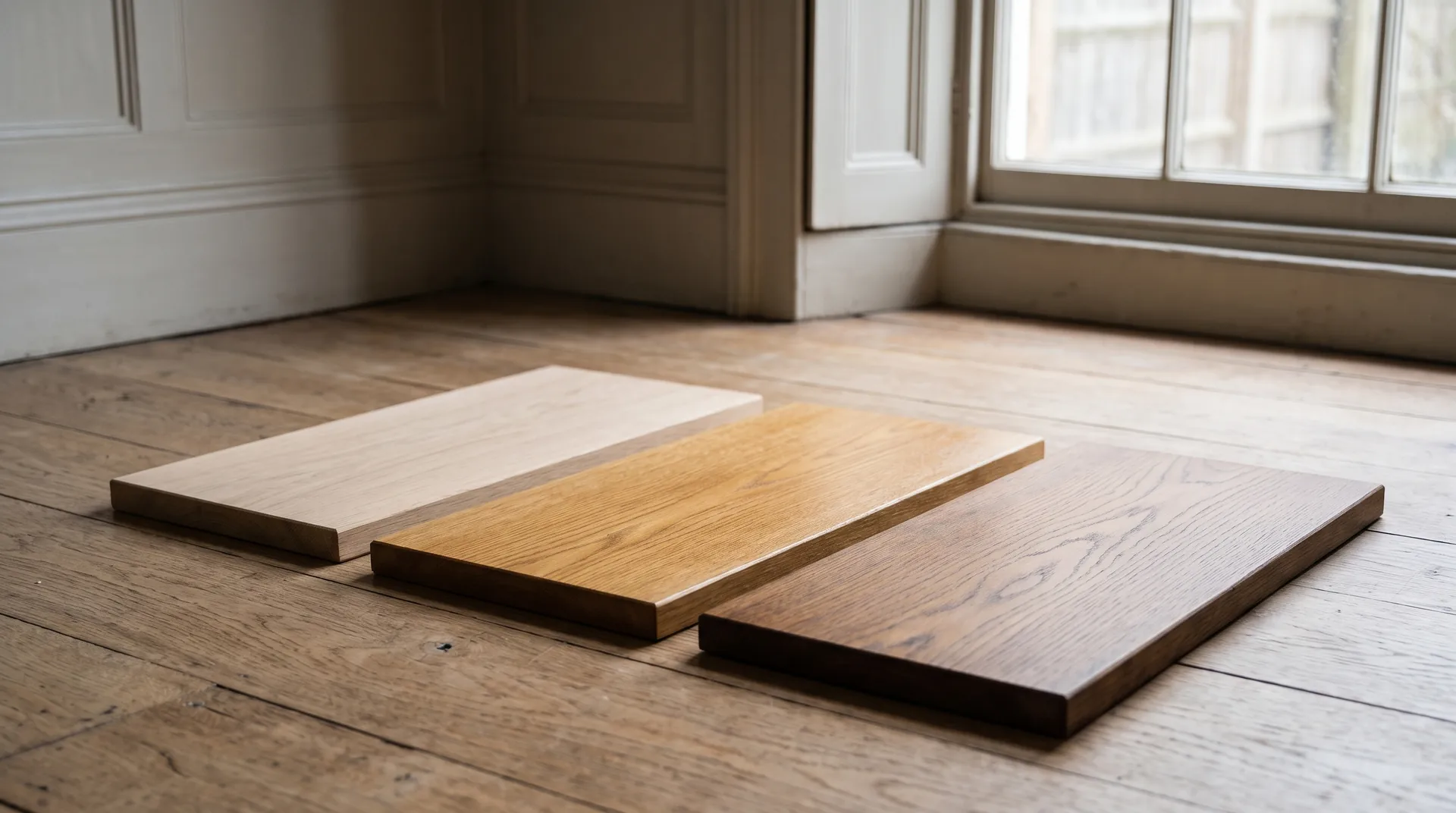
Review the existing coating, the desired appearance and the museum's cleaning routine together. A suitable sample helps assess the finish alongside exhibition lighting and adjacent retained areas. Product compatibility and the manufacturer's conditions should inform the specification. Agree when limited access, furniture movement and normal visitor use can resume: these may be different stages. Provide the selected system's care instructions to the staff responsible for ongoing maintenance.
Define the quotation and project responsibilities
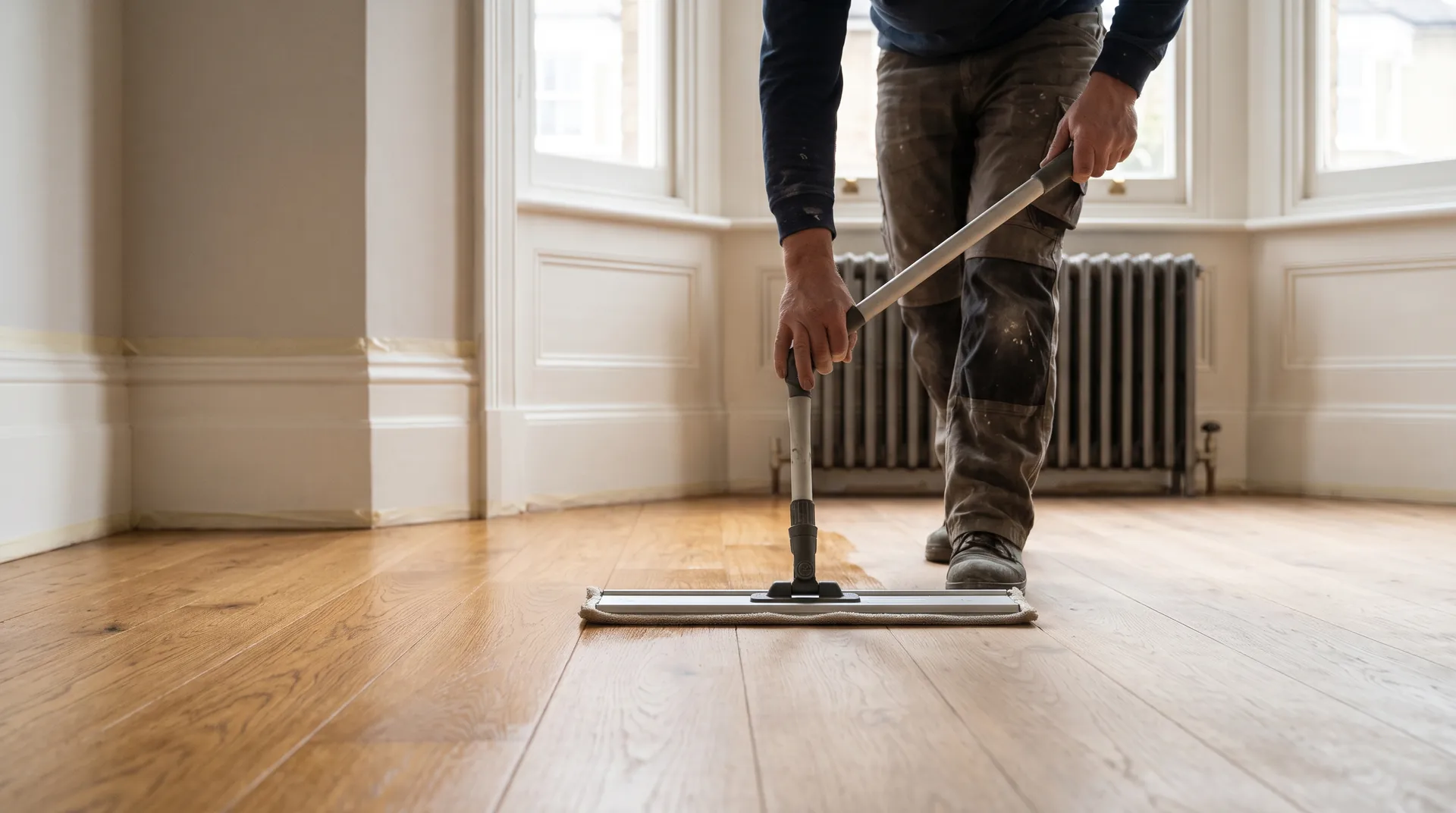
Send the museum's location, floor plans or approximate areas, photographs and the exhibition programme. Identify fixed displays, collection restrictions and who will manage any relocation. Include existing condition reports or an approved specification where available. London enquiries are welcomed; museum projects elsewhere in the UK are considered individually for scope and practical suitability. The quotation should identify floor works, protection arrangements and dependencies requiring agreement with the venue.
Before you decide
Your questions, answered
Every floor is different. If your question is about a particular mark, board or finish, send us a photograph.
Can floor restoration take place near exhibits?
The museum's collection specialists need to assess the proposed method and protection arrangements. Some exhibits may need moving before work starts. A floor contractor's dust-control measures should not be treated as sufficient protection for every object or display.
Can we keep part of the museum open?
Possibly, depending on the layout, treatment and agreed separation of work areas. Visitor access and emergency arrangements need approval by the venue. Some rooms or routes may need to close for preparation, application and the required return-to-use period.
Who moves display cases and collection items?
Agree those responsibilities before the work is priced or programmed. Collections and specialist display systems may require the museum's own team or another appointed specialist. Their relocation and reinstatement should be coordinated with access to the floor.
Does an old museum floor need a heritage approach?
Where the floor contributes to the building's significance, conservation requirements should guide its treatment. That may involve retaining wear, earlier repairs or specific surface features. Bring the relevant adviser into the assessment before agreeing material removal or replacement.
How is the reopening date decided?
It depends on the agreed method, repair scope, finish requirements and site conditions. Drying and full cure are different stages. Plan reopening with the venue and follow the selected product's guidance rather than assuming a standard turnaround for every floor.
Plan the floor work around your museum
Share the floor condition, location and exhibition constraints with London Marble Stone. Request an assessed quotation that your facilities and curatorial teams can review together, with access, protection and return-to-use arrangements clearly identified.
Prefer to send photos? Message us on WhatsApp or call 07888 526686.