


The heart of London’s WC2 district is full of opportunities for those looking for premium surface solutions. Historic homes and modern buildings create a perfect setting for luxury floors. Whether you’re updating an old home or building a new one, marble flooring Covent Garden experts can help.
Our team offers top-notch floor installation Covent Garden services all over Central London. We focus on three main types: natural stone, decorative composites, and polished concrete. Each one brings its own look, fitting both homes and offices well.
Our skilled installers take care of bespoke design projects from start to finish. We know how important the area’s architecture is and make sure each floor fits perfectly. For expert advice and quick quotes, call us at 07888 526686 or info@londonmarblestone.co.uk.
Key Takeaways
- Premium stone and composite surfaces enhance property value in WC2’s prestigious district
- Professional terrazzo flooring Covent Garden installations suit both heritage and contemporary properties
- Expert fitters deliver bespoke solutions for residential and commercial spaces across Central London
- Comprehensive services include material selection, installation, and maintenance guidance
- Free consultations available with rapid quotation turnaround for all project types
- Polished concrete offers modern aesthetics with exceptional durability for high-traffic areas
Why Choose Marble Flooring for Your Home?
Marble flooring can transform any home in Covent Garden. It’s not just about looks; it also adds value and comfort. For homes in Central London, marble is a smart choice that looks great and lasts long.
Marble offers many benefits that synthetic materials can’t match. It adds character to your home and can even increase its value. This makes marble a wise investment for homeowners.
Timeless Beauty and Sophistication
The natural elegance of marble brings luxury to any room. Each slab has unique patterns, making every floor special. This makes your home stand out.
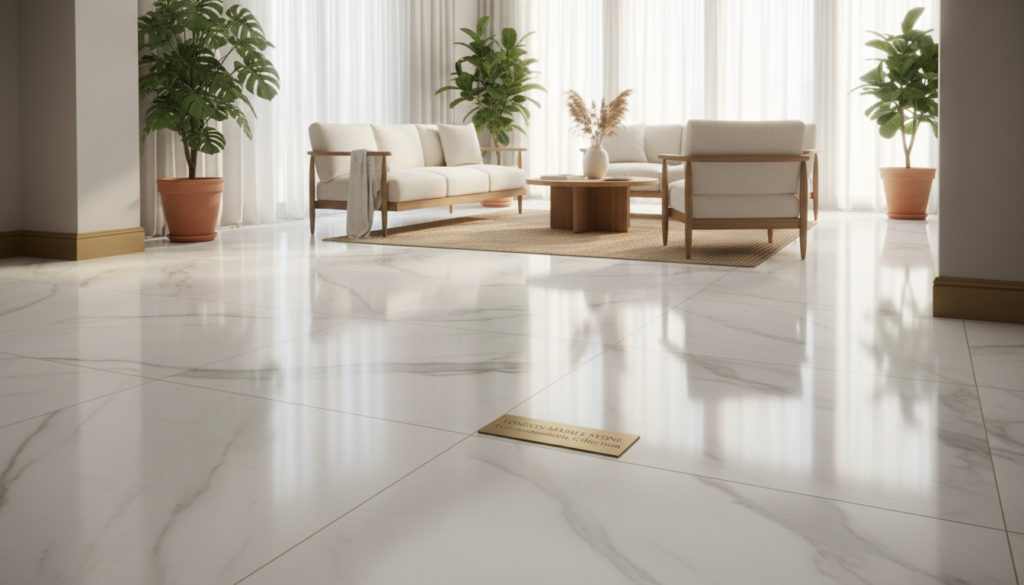
Marble’s shiny finish makes rooms look brighter. It’s perfect for old homes in Covent Garden. It adds a touch of sophistication that complements the architecture.
Getting marble installed by professionals is key. They know how to make it look its best. They choose the right tiles and cut them carefully to fit your home perfectly.
Exceptional Durability and Lifespan
Marble is very durable and can last for generations. Old homes in Central London often have marble floors that are still beautiful today. This makes marble a great value compared to other flooring.
Marble can handle daily wear and tear without getting damaged. It’s stronger than laminate or vinyl. Professional fitting services help marble last even longer by preparing the floor right.
Marble lasts much longer than other flooring. It can last over 100 years with the right care. This makes it a practical choice for any home, old or new.
| Flooring Material | Average Lifespan | Maintenance Requirements | Property Value Impact |
|---|---|---|---|
| Marble | 100+ years | Moderate (periodic sealing) | High enhancement |
| Engineered Hardwood | 20-40 years | Moderate (refinishing) | Moderate enhancement |
| Porcelain Tile | 50-75 years | Low | Moderate enhancement |
| Luxury Vinyl | 10-20 years | Low | Minimal enhancement |
| Carpet | 5-15 years | High (regular cleaning) | Neutral to negative |
Substantial Property Value Enhancement
Investing in marble flooring Covent Garden homes can increase their value. Homes with marble floors sell for more and attract more buyers. It shows that the home is well cared for.
Marble can add £60,000-£140,000 to a £2 million home’s value. This is more than the cost of installing it. It’s a smart investment for homeowners.
Marble is seen as a permanent upgrade, not just a decoration. It makes homes more appealing to buyers. This can help sell your home for a higher price.
Getting marble installed by professionals is important. Poor installation can harm your home’s value. But, expert installation can make your home more attractive and worth more.
Popular Types of Marble Flooring
Marble flooring comes in many finishes, each with its own look and feel. The right choice depends on your style, the look of your home, and how you use the space. Knowing about these options helps homeowners in Covent Garden pick the best for their homes.
During consultations, installers show you different finishes. This lets you see how they look in your home. The finish you choose can change how your rooms feel and work.
Polished Marble
Polished marble has a high-gloss finish that shines like a mirror. It makes rooms look bigger and brighter. This is great for smaller homes in Covent Garden.
This finish needs regular care to stay shiny. It shows marks and scratches easily. Slip resistance is also a concern, especially in wet areas.
Many choose polished marble for fancy rooms. It looks elegant with both old and new designs. Sealing helps keep it shiny and protected.
Honed Marble
Honed marble has a matte finish that’s modern and subtle. It’s smooth but doesn’t reflect light like polished marble. This finish is popular for its understated elegance.
Honed marble is safer than polished because it’s less slippery. It’s great for busy areas in Covent Garden. Kitchens and bathrooms benefit from its safety.
This finish hides scratches and marks better than glossy ones. It’s easier to clean, but still needs sealing to prevent stains.
Tumbled Marble
Tumbled marble looks like it’s been aged for years. It has a textured, aged appearance that adds charm. It’s perfect for homes with a historical feel.
The rough surface makes it safe for outdoor use and wet areas. It’s popular for paths, conservatories, and bathrooms. Its look fits well with Covent Garden’s old buildings.
Cleaning tumbled marble is different because it holds dirt. But its worn look means wear and tear is less noticeable.
Veined vs. Solid Marble
Marble types vary in their natural patterning and colour consistency. Veined marble, like Calacatta and Carrara, has striking patterns. Solid marble, such as Thassos, has a uniform look.
Veined marble is great for traditional settings, adding character. Solid marble is better for modern designs, providing a clean background for other features.
Choosing between veined and solid marble depends on your design style. Veined marble suits traditional homes, while solid marble is ideal for modern spaces.
| Marble Type | Finish Characteristics | Best Applications | Maintenance Level | Slip Resistance |
|---|---|---|---|---|
| Polished | High-gloss, reflective surface | Formal reception rooms, dining areas | High (shows scratches easily) | Low (requires caution in wet areas) |
| Honed | Matte, smooth finish | Kitchens, bathrooms, high-traffic zones | Moderate (conceals minor wear) | Good (safer than polished) |
| Tumbled | Textured, aged appearance | Period properties, outdoor spaces | Moderate to high (textured cleaning) | Excellent (textured surface) |
| Veined (Calacatta) | Dramatic linear patterns | Statement floors, traditional interiors | Varies by finish chosen | Depends on surface finish |
| Solid (Thassos) | Uniform colour, minimal pattern | Contemporary spaces, minimalist designs | Varies by finish chosen | Depends on surface finish |
Marble experts can show you different types and finishes. Seeing them in your home helps you decide. This way, your marble flooring in Covent Garden will match your style perfectly.
Benefits of Marble Flooring in Covent Garden
Choosing marble flooring in Covent Garden brings many benefits. It makes daily life more comfortable and healthy. Marble is perfect for Central London homes, thanks to its unique qualities. Professional installers make sure these benefits are fully enjoyed, whether you choose traditional marble or terrazzo.
Knowing these benefits helps property owners make smart choices about their flooring. The next sections will show how marble works well in Central London homes.
Temperature Regulation
Marble is great at keeping temperatures comfortable all year. Its high thermal mass absorbs and stores heat, then slowly releases it. This is very useful in Covent Garden, where temperatures can change a lot.
In summer, marble stays cool underfoot. This is great for homes without air conditioning. The stone helps keep the body cool, without using extra energy.
In winter, marble works well with underfloor heating. The stone spreads warmth evenly, making rooms cozy. Professional fitters make sure the heating works best and doesn’t harm the marble.
Many homes in Covent Garden now use this combination. It’s perfect for open-plan spaces, where traditional radiators would get in the way.
Hypoallergenic Properties
Good air quality is important in Central London. Marble is better than carpets and other textiles for keeping homes clean. It doesn’t let allergens, dust mites, and bacteria in.
The stone’s dense structure keeps out tiny particles when sealed. This means allergens can’t get in. Cleaning marble removes dust and particles, unlike carpets where they get trapped.
Getting the stone sealed right is key to keeping it hypoallergenic. Experts use the right sealants that don’t harm the stone or the air. They need to be reapplied regularly.
Terrazzo flooring also has these benefits. It’s made of composite materials that are smooth and sealed. This makes it good for homes with allergies or young families.
Versatile Design Options
Covent Garden’s diverse architecture needs flooring that fits many styles. Marble comes in many colours, from classic Carrara white to dramatic Nero Marquina black. There are many options in between.
Older homes look great with traditional marble. It matches the classic look and ornate details. Experts make sure the marble fits the room and style perfectly.
Modern homes offer different design chances. Polished marble contrasts well with exposed brick and steel. It makes rooms feel bigger by reflecting light.
Terrazzo is also versatile. It can be coloured and textured in many ways. This makes it perfect for homes that want something unique but still practical.
| Benefit Category | Marble Performance | Covent Garden Application | Professional Installation Impact |
|---|---|---|---|
| Thermal Management | High thermal mass and conductivity | Natural cooling in summer, efficient underfloor heating in winter | Proper substrate preparation ensures optimal heat distribution |
| Health Properties | Non-porous when sealed, resists allergen accumulation | Addresses Central London air quality concerns | Professional sealing maintains hypoallergenic surface integrity |
| Design Adaptability | Wide colour range, multiple finish options | Suits Georgian period homes to modern warehouse conversions | Expert pattern layout complements architectural features |
| Material Alternatives | Terrazzo offers similar benefits with distinct aesthetics | Custom designs for unique Covent Garden properties | Specialist knowledge required for proper terrazzo installation |
Marble flooring is a smart choice for Covent Garden homes. It’s practical and stylish. Professional installers make sure it’s done right, enhancing the home’s look and feel.
Whether you choose marble or terrazzo, experts can help. They know how to handle the challenges of Central London homes. This includes dealing with moisture and building movement.
How to Care for Your Marble Floor
Looking after your marble floor in Covent Garden is key to keeping it looking great for years. Marble needs special care that’s different from other floors. The right care stops expensive fixes and keeps your property’s value up.
Marble is beautiful but also very delicate. It can be damaged by certain things and cleaning methods. Knowing how to care for it keeps your floor looking good for a long time.
Daily and Weekly Cleaning Routines
Cleaning your marble floor regularly is the first step in keeping it in top shape. Sweep or dust mop every day to get rid of dirt from foot traffic. This is especially important in Covent Garden, where street dirt can get into homes easily.
For weekly cleaning, use pH-neutral cleaners made for natural stone. Avoid acidic cleaners like vinegar or lemon juice, as they can damage the marble. This can leave dull spots that need professional help to fix.

- Use soft microfibre mops instead of harsh scrubbing pads
- Follow the instructions for diluting stone-safe cleaners
- Wring out mops well to avoid too much water on the marble
- Use clean towels to dry the floor and prevent water spots
- Change the cleaning water often to avoid spreading dirt
For tough stains, gently rub with the right stone cleaners. Never use steel wool or harsh chemicals, as they can harm the marble’s shine.
Preventing Damage to Your Investment
Knowing what can harm your marble floor in Covent Garden helps you protect it. The busy streets of Central London pose unique challenges that need special care.
Dirt and grit from the streets are the main threats to marble floors. Use good entrance mats to catch these particles before they reach your floor.
Deal with spills quickly to avoid stains:
- Blot spills with absorbent cloths, don’t wipe
- Use stone-safe poultice for oil-based stains
- Rinse with clean water after treating spills
- Dry the area completely to avoid water marks
Be careful with wine, coffee, fruit juices, and acidic drinks, as they can stain marble. The porous nature of marble means these liquids can soak in fast, so act quickly.
Move furniture carefully to avoid scratching or chipping the marble. Put felt pads on chair legs and table bases. When moving heavy items, lift them instead of dragging to prevent damage.
Professional Sealing and Ongoing Maintenance
Sealing your marble floor is crucial to protect it from stains and moisture. Professionals usually seal it every year or two, depending on how much it’s used.
Good sealers go into the marble’s pores, reducing how much it absorbs. This keeps the marble looking good without changing its appearance or feel.
Check if your marble needs resealing by doing a water test. Drop some water on the marble and see how fast it absorbs. If it soaks in quickly, it’s time to reseal.
Professional sealing services offer:
- The right sealer for your marble type and finish
- Even coverage across the whole floor
- Proper preparation before applying the sealer
- Enough time for the sealer to dry properly
Regular professional maintenance is also important. It includes deep cleaning and polishing to keep your floor looking its best. Experts in Covent Garden have the right tools and knowledge to do this without damaging your floor.
Honing and refinishing can fix damaged or worn areas. These techniques remove scratches and etching by carefully wearing away the surface. Only professionals can do this right, matching the finish of your existing marble floor.
Marble Floor Installation Process
Every marble floor project in Covent Garden follows a detailed process. It balances technical skill with a focus on beauty. Each step is crucial for a lasting, stunning surface that enhances your property.
Professional services in Covent Garden include careful planning and skilled execution. Marble’s weight and cost require special handling. Experienced installers know how to work with natural stone in Central London’s historic buildings.
Foundation Work and Surface Preparation
Proper subfloor preparation is key for marble installation. It ensures your floor stays level and stable. Without it, even the finest marble can develop problems.
Installers start by checking the floor, especially in old buildings. They use moisture testing to find dampness issues. This prevents damage to the marble over time.
They then level the subfloor to make it flat. Marble tiles show every small imperfection. In old buildings, they might need to remove damaged flooring or fix structural issues first.
They also check if the floor joists can handle marble’s weight. Marble is much heavier than other flooring. In some cases, they might need to add extra support.
Calculating Materials and Quantities
Calculating the right amount of materials is important. It prevents delays or waste. Installers measure the room and add extra for cuts and waste.
Wastage can be between 10 to 15 percent. It depends on the layout and tile size. Complex patterns need more material.
Room shapes also affect material needs. Irregular spaces and bay windows add to waste. The pattern of the tiles also matters a lot.
- Measure room length and width in metres
- Multiply dimensions to calculate square metreage
- Add 10-15% for wastage and future repairs
- Consider pattern complexity and tile size
- Account for border tiles and feature elements
It’s wise to buy extra tiles for repairs. Marble colours can change over time. Having spare tiles ensures perfect repairs later.
Expert Installation Versus Self-Installation
Choosing between professional fitting and DIY is important. Marble is challenging to handle, making professional help a better choice for most properties.
Marble tiles are heavy, requiring safe handling. Professionals have the tools and skills for this. DIY can be risky and lead to damage.
Cutting marble needs special tools. Wet saws are essential for clean cuts. DIY installers often struggle with this, wasting materials and money.
Matching marble patterns is an art. Professionals have the eye for detail. They arrange tiles carefully for the best look. DIY installers rarely achieve this.
| Installation Aspect | Professional Installation | DIY Approach |
|---|---|---|
| Equipment Access | Industrial wet saws, levelling systems, specialised adhesives | Requires expensive equipment purchase or hire |
| Technical Expertise | Years of experience with natural stone properties | Learning through trial and costly errors |
| Project Timeline | Completed efficiently within days | Extended duration affecting household routines |
| Risk Management | Insured work with guarantees covering mistakes | Personal liability for all errors and damage |
Professional installation is safer and more cost-effective. Mistakes can ruin marble. Professionals are insured and offer guarantees for peace of mind.
Experienced professionals also install terrazzo flooring Covent Garden. This option offers elegance with different looks, expanding design choices in Central London.
We offer marble, terrazzo, and polished concrete floor installation in Central London. Our prices are clear, and our work is top-notch. We provide free consultations and quotes within 24 hours.
Contact us at 07888 526686 or email info@londonmarblestone.co.uk for a free consultation. Our team has decades of experience, ensuring your marble floor is of the highest quality.
Cost Considerations for Marble Flooring
Thinking about the cost of marble flooring is key, especially in Covent Garden, London. Knowing what you’ll spend helps you plan and choose wisely. Clear prices mean you can renovate with confidence.
We offer free on-site consultations with quotes within 24 hours. This helps Covent Garden clients plan their budgets well. You get exact prices for your project, not just guesses.
What You Can Expect to Pay Locally
In Covent Garden, marble flooring prices vary. Basic marble costs £50 to £80 per square metre. But, top-quality marble like Italian Carrara or Calacatta can be £120 to £200 per square metre.
Installing marble costs £40 to £70 per square metre. This includes the skill needed and the high costs of working in London.
A small home project of 30 square metres might cost between £2,700 and £8,100. But, the exact price depends on your property’s details.
Variables That Influence Final Expenses
Many things affect the final cost of your marble flooring. Knowing these helps you understand price differences and make better choices.
- Marble origin and type: Prices vary a lot. Italian Carrara is more expensive than Turkish or Chinese marble, due to quality and rarity.
- Tile dimensions: Bigger tiles cost more but need less grout, saving on upkeep.
- Pattern complexity: Simple patterns are cheaper than complex ones that need more work.
- Subfloor preparation: Old buildings might need a lot of work to fix the floor.
- Accessibility challenges: Working on upper floors or in tight spaces can add to the cost.
These factors are especially true for floor installation Covent Garden projects in old buildings. These places often have unique problems that quotes can’t cover.
The bitterness of poor quality remains long after the sweetness of low price is forgotten.
Planning Your Financial Investment
Good budget planning is key for a smooth marble flooring project. Covent Garden homeowners should set aside 10-20% extra for unexpected costs.
Old buildings often have hidden problems. These can include extra repairs, structural needs, or changes to heating systems. These can increase the final cost.
Getting several quotes helps you understand the market. But, choose based on quality, not just price. You might be able to finance big projects, spreading out the cost.
Our 24-hour quote service gives you clear costs from the start. This makes planning your floor installation in Covent Garden easier and more confident.
Choosing the Right Marble Floor Fitters
Finding skilled marble floor fitters in Covent Garden is crucial. The right installer can make your flooring look stunning and last long. It’s important to choose carefully to get the best results.
Marble installation needs specialised knowledge and experience. It’s not like regular tiling. The unique marble requires special handling and the right adhesive. A skilled fitter will ensure your flooring looks great and lasts.
Essential Professional Credentials
Good marble floor fitters have special qualifications. These show they are committed and skilled in their work.
Look for installers with relevant trade certifications from known bodies. Being part of trade organisations shows they follow industry standards and keep up with new techniques.
Insurance coverage is a must when picking installers. It’s especially important in Covent Garden to protect against damage to other properties. Make sure they have current insurance before you hire them.
Experience with natural stone is more important than general tiling skills. Ask about their experience with different marbles and how they handle tough installations. This shows their true expertise.
Assessing Previous Work Quality
A good portfolio shows an installer’s skills and attention to detail. Looking at their past work helps you see their quality and design skills.
Ask for examples of their work in Covent Garden or Central London. Look closely at the cuts, grout lines, and pattern alignment. These show their skill and dedication to quality.
When looking at portfolios, ask about any challenges they faced and how they solved them. This shows their problem-solving skills and knowledge. Experienced installers are happy to share their experiences.
Try to see their work in person if you can. Photos can hide flaws that are obvious in real life. Seeing the work yourself lets you judge the finish and precision.
Verified Client Feedback
Customer testimonials give valuable insights into an installer’s reliability and service. They show aspects of their work that credentials and portfolios can’t.
Look for testimonials from clients with similar projects. Feedback from others in Covent Garden is especially useful. It shows how they handle the specific challenges your project may have.
Check for feedback on punctuality, communication, site cleanliness, and post-installation support. These aspects of service are important for a good experience. Consistent positive feedback means they are reliable.
Use independent review platforms for more trustworthy feedback. Look at feedback from different sources to see if there are patterns. This helps you judge their service quality and customer satisfaction.
Experienced installers in Westminster, Mayfair, Soho, Chelsea, Camden, Kensington, and Central London are familiar with local needs. They know the area well and can work efficiently.
Good professionals give clear quotes and explain their work in detail. They provide detailed cost breakdowns and timelines without pressure. For professional floor installation in Covent Garden, contact experienced specialists at 07888 526686 or info@londonmarblestone.co.uk to discuss your needs.
Eco-Friendly Aspects of Marble
Living sustainably is key today, and marble’s green credentials are crucial. In Covent Garden, people now think about the planet as much as looks when picking floors. Knowing how natural stone affects the environment helps homeowners choose wisely.
Marble is a natural building material with its own green points. It’s better than fake stuff in some ways but has its own set of issues.
Natural Stone Environmental Profile
Marble is truly natural, taken straight from the earth without chemicals. This means it’s good for indoor air, especially in places like Central London where air can be hard to get.
Marble floors in Covent Garden can last for centuries with the right care. This is way longer than floors like vinyl or wood, which need replacing every 10-25 years.
But, marble’s journey from the quarry to your home has its own environmental costs. These include:
- Energy consumption for cutting and processing stone blocks
- Transportation emissions from quarry to installation site
- Landscape impact at extraction locations
- Water usage during cutting and polishing operations
Where marble comes from matters a lot. Marble from Europe is better for the planet because it travels less than marble from Asia. This means less carbon emissions for those who care about the environment.
Marble’s long life makes up for its initial environmental costs. A marble floor today could last for generations, spreading out the environmental impact over time.
End-of-Life Considerations
Marble is very recyclable, unlike some other floors. When it’s time to replace a marble floor in Covent Garden, the stone still has value and can be reused.
There are many ways marble can be reused at the end of its life:
- Architectural salvage: Whole tiles can be used in new projects or restorations
- Repurposing: Broken marble can become decorative items or garden features
- Aggregate production: Crushed marble can be used in construction or as decorative stone
- Historical preservation: Old marble can be used in restoring historic buildings
In Covent Garden, old buildings offer chances to use reclaimed marble. This creates unique floors with real history and helps the environment. London has many places where you can find this stone.
Marble is not perfect for the planet, but it’s not bad either. It’s a natural, long-lasting, and recyclable material. For those in Covent Garden who want to be green, choosing European marble and taking good care of it is a good choice.
This view helps make choices that are good for the planet and look great. Marble is a long-term investment that can last for a long time and be recycled.
Customising Your Marble Floor Design
Every marble floor installation is a chance to create something special. You can choose designs and materials that reflect your style and match your home’s character. Our bespoke floor design services in Covent Garden help you create unique floors with marble, terrazzo, and other premium materials.
When designing, think about the room’s size, lighting, and architecture. Getting professional advice ensures your vision becomes a beautiful, functional floor. Covent Garden’s homes, from modern flats to old townhouses, offer different design opportunities.
Arrangement Options and Visual Impact
Choosing a pattern greatly affects your room’s look and feel. Traditional patterns offer timeless beauty, while modern ones make bold statements. The pattern you pick can also affect the cost and time needed for installation.
Straight-set layouts highlight marble’s beauty with simple elegance. This classic style suits both modern and traditional homes. It’s cost-effective and delivers sophisticated results.
Diagonal patterns make small spaces look bigger by guiding the eye. This is great for Covent Garden’s compact flats. However, it requires more precise cutting, which can increase waste and time.
Herringbone patterns add sophistication and movement to any room. They create a zigzag effect that adds texture and interest. This design is perfect for entrance halls and reception rooms to make a lasting impression.
Basketweave designs combine rectangular tiles for an interwoven look. They add depth and character without overwhelming the space. The geometric complexity needs skilled installation for even spacing and alignment.
Elaborate medallions and decorative borders make stunning focal points. They often use contrasting marble colours or intricate shapes. These embellishments are especially fitting for Covent Garden’s period properties, honouring their architectural heritage.
It’s important to match the pattern scale with the room’s size for balance. Large patterns work well in big spaces, while small ones are better for smaller rooms. Think about how the pattern will look with furniture in place.
Selecting the Perfect Palette
Marble’s wide range of colours offers endless design possibilities. Your colour choice affects the room’s mood, light reflection, and overall look. Knowing how different tones work in Covent Garden’s varied lighting is key to great results.
Classic white Carrara marble brightens spaces with its elegant grey veining. It suits any décor and reflects light well. The veining ensures each installation is unique, adding natural charm.
Dramatic black Marquina marble makes bold statements with its striking contrast. It’s perfect for modern interiors and luxury designs. However, it needs careful lighting to avoid darkening the space.
Warm beige and cream marbles like Crema Marfil add softness and warmth. These neutral tones create inviting atmospheres while keeping marble’s elegance. They work well in Covent Garden’s properties with limited natural light.
Green or red marbles introduce bold character and drama. These colours are great for designers wanting unique statements. Make sure they complement your home’s architecture and furnishings before choosing.
Colour choices should either match or contrast with other interior elements. Think about how marble tones work with wall colours, woodwork, and fixtures. Professional colour advice ensures your design scheme is cohesive and enhances your marble flooring.
Creative Material Combinations
Mixing marble with other materials creates unique floors that showcase creativity. These combinations add interest and allow for more design freedom. It’s important to know which materials work well together for durable, attractive results.
Marble borders framing wood parquet centres beautifully combine natural materials. This classic approach adds elegance and warmth. The contrast between polished marble and wood creates sophisticated zones in open-plan areas.
Marble and terrazzo patterns create modern geometric effects with great design flexibility. Terrazzo flooring in Covent Garden pairs well with marble for unique colour and texture combinations. This mix is perfect for modern homes seeking distinctive character and durability.
Brass or metal inlays with marble create Art Deco-inspired designs, ideal for period buildings. These decorative elements add luxury and respect Covent Garden’s architectural heritage. The metallic accents catch light beautifully, adding subtle shimmer.
Mixed-material installations need expertise to ensure compatibility and maintenance. Covent Garden’s terrazzo flooring specialists know how different materials interact and age together. This knowledge prevents future issues and achieves your desired look.
| Design Approach | Visual Effect | Best Suited For | Complexity Level |
|---|---|---|---|
| Herringbone Pattern | Dynamic movement and sophistication | Reception rooms and hallways | Moderate to High |
| Marble with Brass Inlay | Luxurious Art Deco elegance | Period properties and statement spaces | High |
| Marble and Terrazzo Mix | Contemporary geometric interest | Modern interiors and creative projects | Moderate |
| Diagonal Installation | Space expansion and visual flow | Compact rooms and narrow areas | Moderate |
Professional consultation is crucial for bespoke floor design. Experienced designers help turn your ideas into practical, beautiful floors. Their expertise avoids costly mistakes and ensures your vision is fully realised.
Covent Garden clients looking for unique marble, terrazzo, or mixed-material floors have access to specialist services. These experts understand local architecture and have the skills for complex installations. Getting expert advice ensures your customised floor enhances your property’s value and appeal.
Frequently Asked Questions about Marble Flooring
Covent Garden residents often have questions about marble flooring. Whether you’re looking to install floors or just want to know more, these answers help. They cover the practical side of living with marble floors.
Many worry about safety, upkeep, and whether marble is right for certain rooms. Answering these questions helps you make choices that look good and work well.
Understanding Slip Resistance
Marble floors can be slippery, but it’s the finish that matters most. Polished marble is slippery when wet, making it less good for bathrooms or places with lots of water.
Honed and tumbled finishes are safer. They have a matte look but still keep marble’s beauty.
Slip resistance is tested and given a score. Polished marble scores 0.4 to 0.6. Honed finishes score 0.6 to 0.8, which is safe for homes.
“The finish you select determines the safety profile of your marble floor far more than the stone type itself.”
In Covent Garden, choose the right finish for each area. Entrance halls need textured marble to handle wet shoes and umbrellas. Quality entrance mats catch moisture and dirt before it hits your marble.
Textured marble is also good for stairs and places where safety is key. These changes keep marble looking great while making it safer for families.
Marble in Culinary Spaces
Kitchen marble floors look amazing but need careful thought. Acidic things can damage marble, which is a big problem in kitchens.
Things like citrus, wine, vinegar, and tomato-based foods can etch marble. Oils and colourful foods can stain it without protection.
But, with the right care, these risks are much lower. Sealing marble helps protect it from spills. Clean up spills right away to stop damage. Use cutting boards and trivets to avoid direct contact with marble.
Many in Covent Garden with fancy homes take good care of their marble. The beauty of marble is worth the extra effort for those who love unique homes.
- Apply high-quality sealant every 6-12 months
- Wipe spills immediately, particularly acidic liquids
- Use pH-neutral cleaning products exclusively
- Place protective mats near sinks and preparation areas
- Avoid dragging heavy cookware across surfaces
Granite and porcelain are easier to look after but don’t have marble’s special look. Marble’s veining and shine make kitchens stand out.
People often ask about how often to clean and maintain marble. Professional cleaning and resealing is usually needed once a year, but busy areas might need more.
Marble works well with underfloor heating. It spreads heat evenly, making rooms warm in winter.
Marble floors are not as loud as carpets but are louder than some other hard floors. Area rugs can help with noise in places where you talk a lot.
How long it takes to install marble floors in Covent Garden depends on the size and details of the job. Most homes take 3-5 days, including getting the floor ready and waiting for it to set. More complex jobs might take longer.
Experts in Covent Garden can answer your specific questions. They help choose the right marble and finish for your home.
Marble Flooring Trends in Covent Garden
In Covent Garden, property owners blend old with new. The area’s rich history meets its modern vibe. This mix makes marble flooring a big deal in Central London.
The local property market shows a wide range of tastes. From old warehouses to Victorian homes, each style guides flooring choices. This variety makes for interesting designs.
Knowing the current design trends helps homeowners make smart choices. Whether they want something modern or classic, understanding these trends is key.
Contemporary Styles
Modern marble installations are big in Covent Garden. They reflect the city’s design trends and meet today’s living needs.
Large-format tiles are a big trend. These big slabs make floors look sleek and simple. They’re perfect for open-plan spaces.
Book-matched marble creates stunning patterns. It uses slices from the same block to make mirror images. This highlights the marble’s natural beauty.
Mixing different finishes adds texture to a room. Polished and honed marble together create interest without using different materials. It’s great for spaces where zones need to feel different.
Geometric patterns with marble colours make bold statements. These designs are perfect for entrance areas. Black and white are still popular, but new colours are also trending.
Terrazzo flooring is back in style in Covent Garden. It’s used in old and new homes. Modern terrazzo has big stones and bold colours, making it stand out.
These modern designs fit well with Covent Garden’s changing buildings. Old industrial spaces are becoming homes, and the flooring shows this mix of old and new.
Classic Designs
Marble designs that never go out of style are popular in Covent Garden. These designs fit well with the area’s old buildings and add timeless beauty.
Checkerboard patterns are a classic choice. They’ve been around for centuries and are still loved today. They’re perfect for Georgian and Victorian homes.
Entrance halls with fancy designs are also popular. These use different marbles to create detailed patterns. The work needed for these designs shows a commitment to quality.
White marble makes rooms feel bright and elegant. It’s often used in high-end homes. It’s especially good for homes that want to keep their old charm.
Restoring old marble floors is also a trend. It keeps the history of a home while making it look modern. This is great for homes that are listed or in conservation areas.
These classic designs are perfect for homes that need to keep their historical look. They show respect for the past while making the home look good today.
| Design Approach | Typical Applications | Property Types | Visual Characteristics |
|---|---|---|---|
| Large-Format Tiles | Open-plan living areas, modern kitchens | Warehouse conversions, new developments | Minimalist, continuous surfaces with minimal grout lines |
| Book-Matched Patterns | Feature walls, entrance halls | High-specification renovations | Dramatic mirror-image veining creating focal points |
| Checkerboard Layouts | Entrance halls, corridors | Georgian and Victorian properties | Traditional black-and-white alternating squares |
| Terrazzo Revival | Throughout residential spaces | Period properties and contemporary homes | Speckled aggregate appearance with varied colour palettes |
The marble flooring market in Covent Garden balances new and old. Homeowners choose flooring that fits the building’s style, not just the latest trend. Modern designs work well in new homes, while classic styles keep old homes authentic.
Choosing flooring wisely means it will always look good, not just for now. Whether it’s modern or traditional, knowing the trends helps homeowners make choices that enhance their homes now and in the future.
Conclusion: Investing in Marble Flooring
Choosing marble flooring is a big decision for homeowners in Covent Garden. It’s not just about looks. It adds lasting value in many ways.
Enduring Value and Performance
Marble floors are very durable, lasting for generations. Old European buildings show how well marble keeps its beauty and strength for centuries. This means marble floors last longer than other materials that need to be replaced often.
Having marble floors can really boost your property’s value. In Covent Garden’s competitive market, homes with top-quality materials stand out. Buyers love marble for its timeless look and easy upkeep.
Marble floors are also good for your health and comfort. They keep the air clean and regulate the temperature. This makes your home more comfortable to live in, adding to marble’s appeal.
Selecting the Perfect Solution
Choosing the right marble depends on your home and needs. Think about your home’s style, how busy it is, and what you want it to look like. Getting advice from experts helps pick the best marble and finish for you.
There are top marble and floor services in Central London. They cover areas like Westminster, Mayfair, and Chelsea. For help with your floor in Covent Garden, you can get expert advice.
To get help, call 07888 526686, email info@londonmarblestone.co.uk, or visit https://londonmarblestone.co.uk/. They offer free consultations and quotes within 24 hours. This makes getting professional floor installation in Covent Garden easy for those who care about quality.
FAQ
Is marble flooring slippery when wet?
Marble flooring’s slip resistance depends on the finish, not the material. Polished marble is slippery when wet, making it less safe for bathrooms. However, honed and tumbled marble finishes are safer for wet areas.
In Covent Garden, choose the right finish for each room. Use entrance mats to keep floors clean. Textured marble is best for high-risk areas. Professional installers can help pick the right finish for your property.
Can marble be installed in kitchens without damage?
Yes, marble can be used in kitchens but needs careful care. It’s vulnerable to acidic substances and stains. Proper sealing and immediate spill cleanup are key.
Many Covent Garden homes keep their marble floors in good shape. For heavy kitchen use, consider granite or porcelain. But marble’s beauty is unmatched with proper care.
How long does marble flooring typically last?
Marble flooring can last for centuries with proper care. Historic buildings in Europe, including London, have marble floors that are still beautiful after centuries.
Professional installation and regular maintenance are crucial. This makes marble a long-term investment, despite its higher cost.
What is the difference between polished, honed, and tumbled marble?
Polished marble has a glossy finish, polished marble has a glossy finish, honed marble has a matte finish, and tumbled marble has a textured finish. Polished marble is less slip-resistant but reflects light well. Honed and tumbled marble are safer and offer a unique look.
Professional installers can show you samples to help choose the best finish for your space.
How much does marble floor installation cost in Covent Garden?
Marble floor installation costs vary based on the marble type, tile size, and room complexity. Basic marble starts at £100-150 per square metre. Premium marble can cost over £300-400 per square metre.
Covent Garden’s period properties may need extra preparation, increasing costs. Upper-floor flats may also cost more due to access. Get a free consultation for an accurate quote.
Does marble flooring work with underfloor heating?
Yes, marble flooring works well with underfloor heating. It efficiently transfers heat and retains warmth. This makes it perfect for renovated properties in Covent Garden.
Professional installers ensure the right adhesives and expansion joints for underfloor heating.
How often does marble flooring need to be sealed?
Marble flooring needs sealing every 1-2 years, depending on traffic and marble type. High-traffic areas may need sealing more often. Use pH-neutral cleaners to maintain the seal.
Test the seal by placing water on the floor. If it beads up, the seal is good. If it darkens the stone, it’s time to reseal.
What is terrazzo flooring and how does it differ from marble?
Terrazzo is a composite material made of marble chips in a cement binder. It has a speckled appearance and is durable. Terrazzo offers design flexibility and is gaining popularity in Covent Garden.
Both marble and terrazzo require professional installation and offer long-term durability. Terrazzo is more versatile in design, while marble is prized for its natural beauty.
Can marble flooring be installed over existing floors?
Marble can be installed over some existing floors, but it depends on the floor’s condition. Period properties often need subfloor preparation before marble installation.
Wooden floors usually require removal or reinforcement for marble installation. Professional assessment is crucial to determine the best approach for your property.
What qualifications should I look for in marble floor installers?
Look for installers with natural stone installation certifications and insurance. They should have experience with marble and be members of trade organisations. Check their portfolios and customer testimonials for quality and reliability.
Is marble flooring environmentally sustainable?
Marble flooring has environmental benefits and drawbacks. It doesn’t release VOCs, contributing to healthier air. Its durability means it may never need replacement, reducing environmental impact.
However, quarrying and transportation have environmental costs. Choosing local marble reduces carbon footprint. Reclaimed marble can also be a sustainable option.
How long does marble floor installation typically take?
Installation time varies based on project size and complexity. A small room installation might take 2-3 days. Larger projects or complex designs take longer.
Covent Garden’s period properties may require extra preparation time. Professional installers provide specific timelines based on your property’s needs.
What maintenance products should I use on marble floors?
Use pH-neutral cleaners specifically for natural stone. Avoid acidic substances like vinegar and lemon juice. Daily cleaning with a microfibre mop and warm water is effective.
Spills should be wiped immediately to prevent stains. Professional cleaning and sealing services can restore your marble floor’s lustre.
Can I install marble flooring myself or should I hire professionals?
Marble flooring is best installed by professionals due to its weight and technical challenges. Professionals ensure proper installation, avoiding costly mistakes.
DIY installation can lead to damaged materials and wasted money. Hiring professionals is a wise investment for your property.
What is the best marble colour for small Covent Garden flats?
Lighter marble colours like white or light grey make small flats appear larger. These colours reflect light and create a sense of openness.
Choose a finish that suits your design style. Polished finishes reflect light, while honed finishes offer a more contemporary look. Consider your property’s natural light when selecting a colour.
Does marble flooring increase property value in Covent Garden?
Yes, marble flooring can increase property value in Covent Garden. It signals high-quality and careful maintenance to potential buyers or tenants.
In Central London, marble is expected in high-value homes. It adds luxury and timeless beauty, making it a sound investment for resale.
What is polished concrete flooring and how does it compare to marble?
Polished concrete flooring is a smooth, glossy surface created by grinding and treating concrete. It offers a modern, industrial look and is durable and low maintenance.
Polished concrete is less expensive than marble but lacks marble’s natural beauty and warmth. It’s ideal for industrial-chic designs, while marble suits traditional elegance.
How do I choose between marble and terrazzo flooring?
Choose based on aesthetic preferences and practical considerations. Marble offers natural beauty and luxury, while terrazzo is versatile and durable.
Both require professional installation and maintenance. Terrazzo is gaining popularity for its design flexibility. Consider your property’s style and your preferences when deciding.
Can original marble floors in period Covent Garden properties be restored?
Yes, original marble floors can be restored to their former glory. Professional restoration involves assessment, cleaning, and polishing.
It’s more cost-effective than replacing the floor and preserves the property’s history. Covent Garden’s marble specialists can assess and restore your floor.